Key Takeaways
Before you sign anything, follow these essentials:
- Verify the California CSLB license using the Check a License tool to confirm status, classification, and any disciplinary history
- Check insurance certificates for general liability (minimum $1 million) and workers’ compensation, dated within the last 12 months
- Demand a written scope of work with line-item pricing, not a vague lump-sum estimate
- Talk to at least two recent clients whose projects finished in the last 6 months
- Clarify who pulls permits—if they ask you to do it, that’s a red flag
This article covers typical Sonoma County timelines (4–8 weeks for a full kitchen after materials arrive), realistic budgets ranging from $25,000 to $75,000+ depending on scope, and local code and permitting realities. You’ll find a fast checklist, red flags to avoid, FAQs, and what to expect day-to-day once construction starts.
Note: Any pricing, cost ranges, or timelines mentioned in this article are examples. Your specific project costs will vary depending on your kitchen size, material selections, local labor rates, and project scope.
Kitchen Remodel Contractors in Sonoma County: What They Actually Do
A licensed kitchen remodel contractor in Sonoma County handles far more than swinging a hammer. Unlike a simple installer or handyman, a contractor manages the entire process—from planning and permits to coordinating trades, scheduling inspections, and standing behind the finished work with a warranty. Their experienced team collaborates closely to oversee every stage of your project, ensuring seamless coordination and high-quality results that align with your vision.
Core Services Offered
A typical Sonoma County kitchen contractor provides:
| Service | What It Includes |
|---|---|
| Full kitchen remodels | Demo, framing, utilities, finishes, final inspection |
| Layout changes | Moving walls, islands, or workflow configurations |
| Custom cabinetry | Built-ins, pull-out shelves, soft-close doors, wine racks |
| Countertops | Granite, quartz, marble, recycled glass, concrete-look engineered stone |
| Flooring | Tile, hardwood, luxury vinyl—removal and install |
| Lighting | Recessed lighting, under-cabinet, fixture upgrades |
| Appliance reconfiguration | Gas-to-electric conversions, ventilation, under-counter systems |
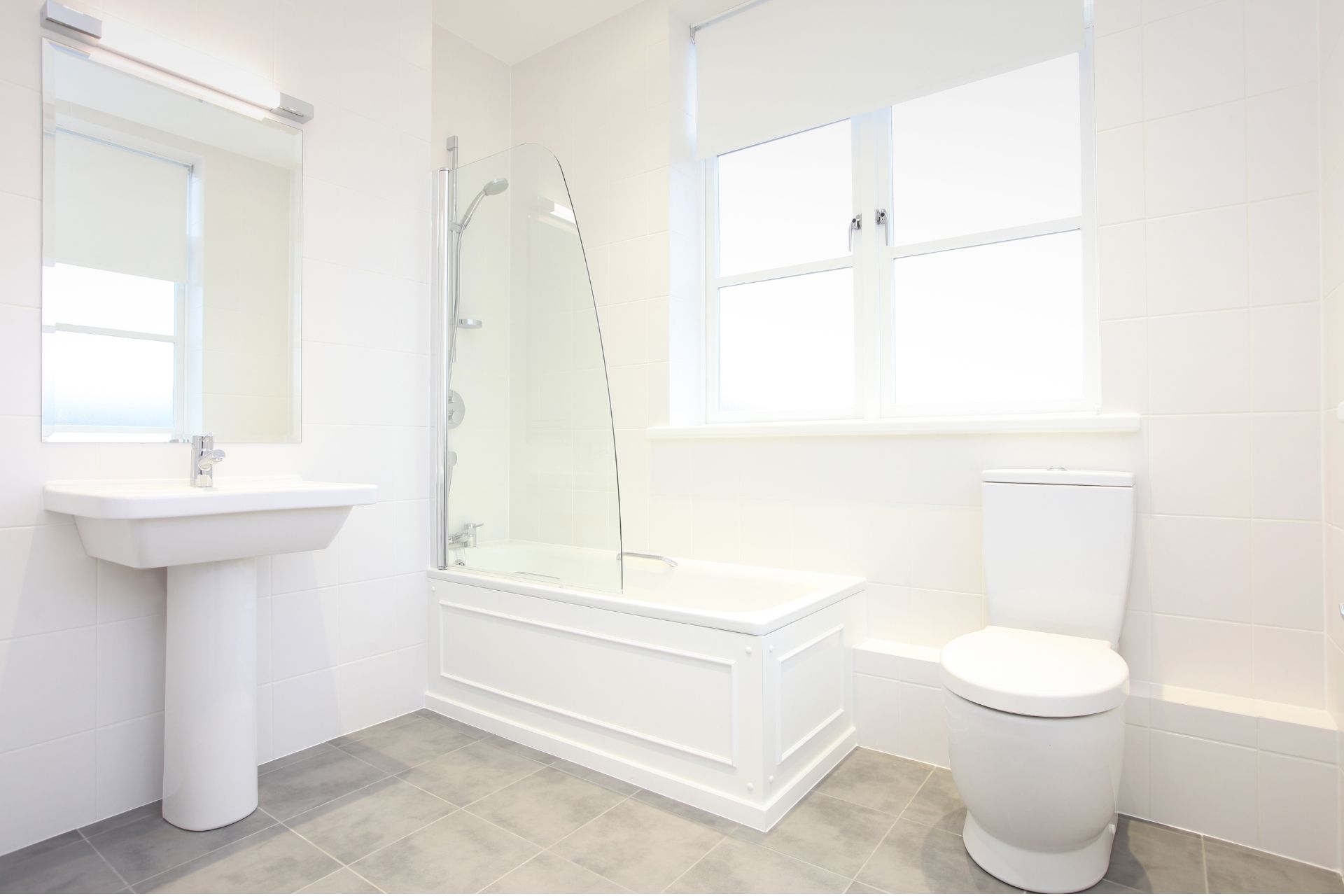
| Bathroom remodels | Complete overhauls or minor updates tailored to your style and needs |
Many local contractors also handle related spaces during the same project. If you’re opening up your kitchen to the living area, adding a dining room tie-in, or updating a nearby bathroom while crews are already on site, a full-service contractor coordinates all of it.
Sonoma County contractors typically serve multiple cities—Santa Rosa, Windsor, Sebastopol, Cotati, Rohnert Park, and Sonoma—and often extend into neighboring Napa and Marin counties as well. This regional experience matters because contractors who’ve worked across the area understand local permitting nuances, material sourcing, and the specific challenges of older housing stock built before modern codes.
Quick Pre-Hire Checklist for Sonoma County Homeowners
Print this and keep it handy. Before you choose any kitchen remodel contractor, work through every item:
License and Insurance Verification
- Verify the California CSLB license at the Check a License page
- Confirm the license classification (Class B for general building covers most remodels)
- Check for any disciplinary history, citations, or suspensions
- Request a general liability insurance certificate dated within 12 months
- Confirm coverage of at least $1 million per occurrence
- Request workers’ compensation certificate if the company has employees
Written Documentation
- Obtain a written scope of work with line-item estimates
- Get a realistic timeline with approximate start and completion dates
- Request a clear change order process in writing before work begins
- Review what’s included, excluded, and any allowances for materials
References and Communication
- Speak with at least two Sonoma County references from the last 6–12 months
- Ask references specifically about cleanliness, schedule accuracy, and how surprises were handled
- Confirm who pulls permits (the contractor should handle this)
- Clarify who will be on site daily
- Establish how often you’ll receive progress updates (weekly emails, texts, or calls)
If a contractor can’t meet these basics, move on. That’s how projects go sideways.
Kitchen Remodel Services Commonly Offered in Sonoma County
Understanding what a full-service kitchen remodel contractor can handle versus what a showroom or installer might offer helps you make smarter decisions about who to hire and what to expect. Homeowners can also visit a gallery or showroom to view cabinetry, tiles, and design options in person.
Full Kitchen Remodeling
A complete kitchen remodel involves multiple phases and trades working in sequence:
- Demolition – Removing existing cabinets, counters, flooring, and sometimes walls
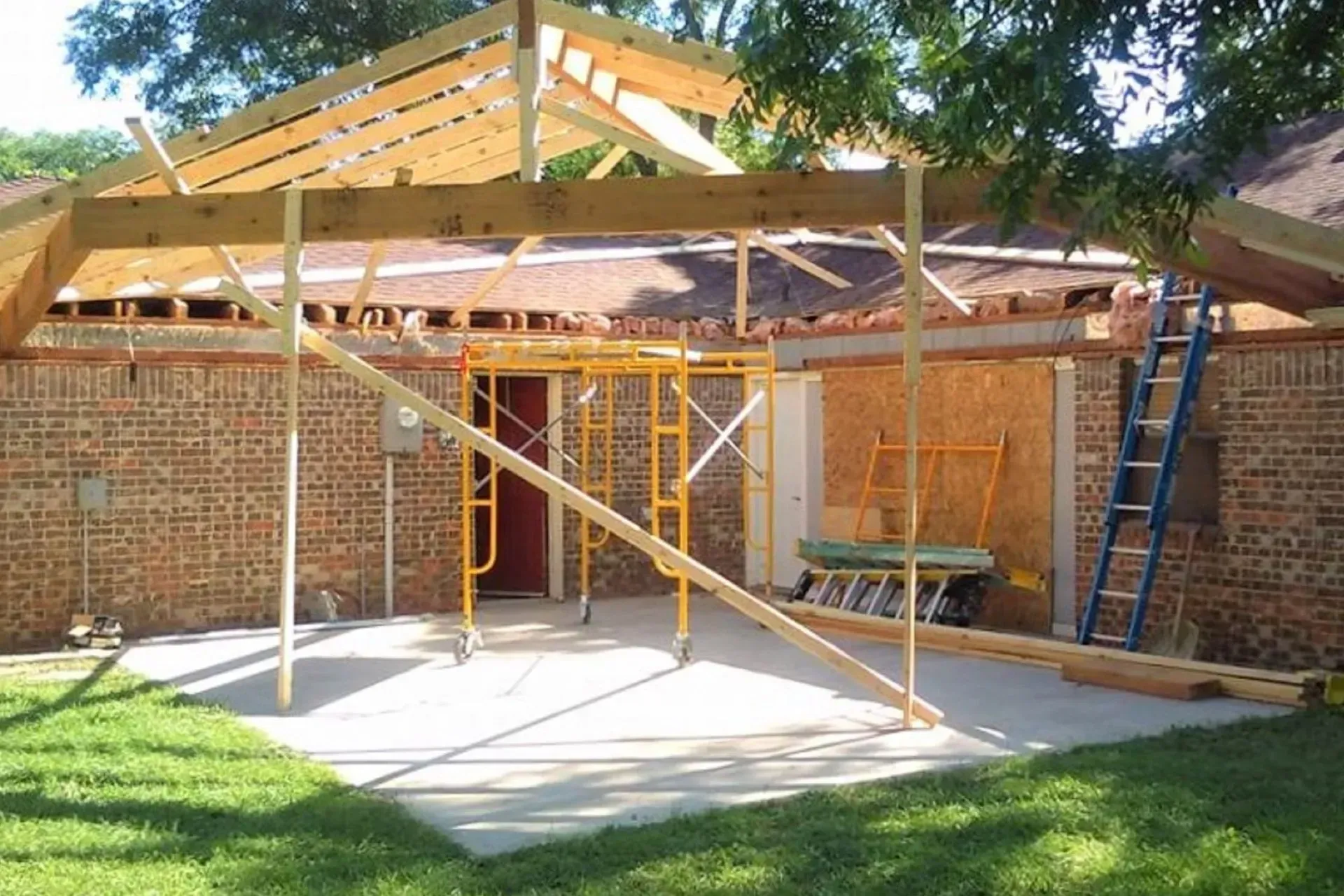
- Framing – Structural modifications, opening walls, adding headers
- Rough plumbing and electrical – Moving or adding lines, new circuits
- Drywall and paint – Patching, texturing, finishing touches
- Cabinet installation – Custom or semi-custom cabinetry
- Countertops and backsplash – Templating, fabrication, install; backsplashes and tiles are carefully crafted to fit the specific measurements and surfaces of your kitchen for a seamless, professional look
- Flooring – Tile, hardwood, or other materials
- Final inspection and punch list – Addressing any remaining items
Timelines typically run 4–8 weeks once on-site work begins, though this varies based on scope and any surprises behind walls.
Cabinet Options
- Custom built-ins – Designed to your exact specifications with features like pull-out shelves, soft-close doors, and wine racks; highest cost but maximum flexibility
- Semi-custom – Standard cabinet boxes with customizable fronts, finishes, and some sizing options
- Cabinet refacing – Budget-friendly updates that replace doors and drawer fronts while keeping existing boxes; typical install time 1–3 days with minimal disruption
Countertop Materials
Sonoma County homeowners commonly choose from:
| Material | Benefits | Considerations |
|---|---|---|
| Granite | Natural stone, unique patterns, durable | Requires periodic sealing |
| Quartz | Engineered, non-porous, low maintenance | Wide selection of colors and patterns |
| Recycled glass | Eco-friendly with high post-consumer content | Unique aesthetic, sustainable choice |
| Marble | Classic elegance, heat resistant | More porous, requires care |
| Concrete-look engineered stone | Modern industrial aesthetic | Durable, consistent appearance |
Design Support
Many contractors coordinate or provide design services through local Santa Rosa and Petaluma showrooms. This includes layout planning, material selection, and 3D renderings that help you visualize the space before work begins—reducing costly change orders later in the process.
How to Choose a Kitchen Remodel Contractor in Sonoma County
In 2025–2026 construction conditions—with ongoing labor shortages reducing available crews by 15–20% and material lead times stretching 8–12 weeks for items like quartz slabs—picking the right contractor in Sonoma County matters more than ever. It’s essential to choose a kitchen remodel contractor Sonoma County customers trust for top-tier customer service and a positive customer experience, ensuring your project is as stress-free and tailored to your needs as possible.
Step 1: Initial Research
Start by gathering names from multiple sources:
- Online reviews on platforms like Houzz, Google, and Yelp
- Referrals from friends, family, and neighbors who’ve completed similar projects
- Portfolio browsing for companies with recent work in your area
- Showroom recommendations from local cabinet and countertop suppliers
Step 2: Shortlist 2–4 Contractors
Look for contractors who:
- Regularly work in Sonoma County (not just occasional projects)
- Have completed kitchen remodeling projects similar to yours in the last 12 months
- Show recent photos from Santa Rosa, Windsor, Petaluma, or your specific city
- Respond promptly and professionally to your initial inquiry
Step 3: Schedule In-Home Consultations
Bring contractors to your home to see the actual space. This is when they should:
- Take measurements and photos
- Ask about your goals, lifestyle, and family needs
- Discuss timeline expectations and any constraints
- Explain their process and what you can expect
Step 4: Compare Estimates Properly
When reviewing estimates, ensure you’re comparing apples to apples:
- Same scope of work – Identical phases and deliverables
- Similar material quality – Don’t compare builder-grade to custom
- Clear exclusions – Know what’s not included
- Allowance amounts – Understand budgets for appliances, tile, and fixtures
A bid that’s 20–30% lower than others often signals substandard materials, unlicensed subcontractors, or “surprises” that will appear later through change orders.
Step 5: Evaluate Communication Style
Pay attention during the quoting process:
- How quickly do they respond to emails and calls?
- How clearly do they explain options and trade-offs?
- Do they proactively discuss permits, inspections, and potential surprises?
- Are they comfortable answering questions about older Santa Rosa or Sonoma homes?
Step 6: Ask About Capacity
Contractors juggling too many kitchen remodels at once can’t give your project proper attention. Ask directly:
- How many projects are you running right now?
- How will that affect schedule and supervision on my project?
- Who will be my primary point of contact?
Local Permits, Codes, and Timelines in Sonoma County
Sonoma County and cities like Santa Rosa, Rohnert Park, and Petaluma enforce permit and code requirements that directly affect both cost and schedule for your kitchen remodel.
When Permits Are Required
Your kitchen remodel typically requires permits when:
- Moving or removing walls, especially load-bearing walls
- Adding or relocating plumbing fixtures
- Running new electrical circuits or upgrading panels
- Altering structural elements
- Modifying gas lines or installing new gas appliances
- Making changes that affect ventilation or HVAC
Local Permitting Resources
| Jurisdiction | Portal | Notes |
|---|---|---|
| Unincorporated Sonoma County | Permit Sonoma Online | 2–4 weeks for minor, 8–12 weeks for structural |
| City of Santa Rosa | City permitting office | Separate process from county |
| City of Petaluma | Building department | Contact directly for timelines |
Regional Considerations
Several factors unique to Sonoma County can affect your project:
- Seismic requirements – Opening walls in older homes built before modern codes may trigger shear wall additions ($5,000–$15,000) or other seismic retrofitting per California Building Code Chapter A4
- Outdated utilities – 1960s–1980s Santa Rosa tract homes often have knob-and-tube wiring or galvanized plumbing that needs upgrading
- Energy codes – Title 24 compliance affects lighting choices and appliance installations
- Wildfire zones – Defensible space requirements and fire-safe regulations may impact certain exterior-adjacent work
A reputable kitchen remodel contractor in Sonoma County is committed to supporting the local community and understands the unique needs and values of Sonoma County residents.
Typical Project Durations
For a full kitchen remodel in Sonoma County, expect:
- Design and selections – 2–4 weeks
- Permitting and material ordering – 2–6 weeks (custom cabinets and stone slabs take longer)
- On-site construction – 4–8 weeks
- Total from signed contract to final walk-through – 8–16 weeks
Inspections for rough plumbing, electrical, and final sign-off can add days if not scheduled early, especially during busy seasons following fire rebuild periods when inspector backlogs peak.
Questions to Ask a Kitchen Remodel Contractor Before You Sign
These questions help you quickly separate seasoned Sonoma County professionals from risky choices. The answers reveal how a contractor operates and whether they’ll protect your investment. The right kitchen remodel contractor in Sonoma County will help turn your vision into reality through expert execution and attention to detail.
Essential Questions
”What is your California CSLB license number, and can you email proof of insurance?”
Don’t just accept “yes.” Verify the license yourself and request current certificates.
”How many kitchen remodels did you complete in Sonoma County in the last 12 months?”
You want recent, relevant experience—not projects from years ago. Current operations matter amid labor shortages.
”Can I speak with two clients whose projects finished within the last 6 months?”
Recent references reveal how the contractor operates right now.
”Who will be on site each day, and who is my main point of contact?”
You should know who’s actually running the job and how to reach them.
”How do you handle change orders and surprises behind walls?”
The answer should include written documentation, clear pricing, approval before work continues, and regular updates.
”Will you provide a detailed written schedule with key milestones?”
Look for specific dates for demo, inspections, cabinet install, and completion.
”What does daily jobsite protection and cleanup look like?”
Ask about plastic barriers, floor protection (Ram Board or similar), dust control, and end-of-day cleanups—especially important for families living in the home during renovation.
”Who pulls the permits and handles inspector scheduling?”
The contractor should own this responsibility, not pass it to you.
What Good Answers Sound Like
- Transparent, specific, and offered in writing
- References to established processes and documentation
- Willingness to explain rather than deflect
- Comfort with questions about insurance, permits, and past work
Red Flag Answers
- Vague or evasive responses
- ”We can figure that out later”
- Reluctance to provide documentation
- Pressure to move forward quickly without details
Red Flags and Common Mistakes in Sonoma County Kitchen Remodels
Many local horror stories could have been avoided by spotting early warning signs. Knowing what to watch for protects your investment and your peace of mind.
Clear Red Flags
- Asking you to pull permits – CSLB guidelines hold the prime contractor accountable for permitted work. If they push this onto you, walk away.
- Reluctance to show proof of license or insurance – A professional provides this quickly and willingly.
- Quotes dramatically lower than other licensed bids – Low bids often mean cut corners, substandard materials, or unlicensed subcontractors.
- No recent local references – If they can’t prove recent work in Sonoma County, you’re taking an unnecessary risk.
- No written contract – Verbal agreements aren’t enforceable under California Business & Professions Code Section 7159, which mandates written home improvement contracts over $500.
Payment Red Flags
| Warning Sign | Why It Matters |
|---|---|
| Very large deposits | California limits initial payments to 10% or $1,000, whichever is less |
| Payments not tied to milestones | Payments should follow completed work, not promises |
| Pressure to pay in cash | Reduces your paper trail and legal protections |
| Full payment before completion | You lose leverage to ensure quality finish work |
Vague Contract Warning Signs
Watch for contracts that don’t clearly define:
- Specific scope of work and materials
- What’s excluded from the price
- Timeline with start and completion dates
- Change order process
- Cleanup and protection standards
Vague contracts lead to “surprise” costs halfway through Santa Rosa or Petaluma projects—costs that could have been avoided with clarity upfront.
Common Homeowner Mistakes
- Choosing purely on lowest price – The cheapest bid rarely delivers the best value
- Changing layout late in the process – This triggers expensive change orders and delays
- Ordering custom materials after construction starts – Lead times can stall your project for weeks
- Underestimating disruption – Plan a temporary kitchen setup before demo day
- Skipping reference checks – Five minutes on the phone can save months of headaches
What to Expect During a Sonoma County Kitchen Remodel
Understanding the typical process from start to finish helps you plan your life around the work and know whether your project is on track.
Phase-by-Phase Breakdown
Design and Selections (2–4 weeks)
- Finalize layout and floor plan
- Select cabinets, countertops, backsplash, flooring, fixtures
- Review 3D renderings if provided
- Make appliance decisions and confirm specifications
Permitting and Ordering (2–6 weeks)
- Submit permit applications through Permit Sonoma or city offices
- Order cabinets (custom can take 6–10 weeks)
- Template and order countertop slabs
- Confirm all material lead times
Demolition (2–5 days)
- Remove existing cabinets, counters, flooring
- Dispose of debris ($500–$1,500 typical disposal costs)
- Expose walls and utilities for inspection and modification
Rough Utilities (1–2 weeks)
- Plumbing rough-in for sink, dishwasher, ice maker lines
- Electrical rough-in for outlets, lighting, appliance circuits
- Schedule and pass rough inspections
Drywall, Paint, and Prep (1 week)
- Patch and finish drywall
- Prime and paint walls and ceiling
- Prep surfaces for cabinet installation
Cabinet and Countertop Installation (1–2 weeks)
- Install base and wall cabinets
- Template countertops (if not done earlier)
- Install countertops and secure plumbing fixtures
Finishing Work (1 week)
- Backsplash tile installation
- Flooring completion
- Hardware, trim, and finishing touches
- Appliance installation and testing
Final Inspection and Punch List (2–5 days)
- Schedule and pass final building inspection
- Walk through with contractor to compile punch list
- Address any remaining items
- Review warranty coverage and maintenance instructions
Living Through the Remodel
For families staying in the home during a Santa Rosa kitchen renovation:
- Set up a temporary kitchen in a garage, basement, or spare room with a microwave, toaster oven, and refrigerator access
- Expect dust and noise despite best efforts at containment
- Protect pets and kids from construction zones—daily HEPA vacuuming helps but isn’t perfect
- Know typical work hours – Most Sonoma County crews work weekdays 8am–5pm
Who You’ll See On Site
- Lead carpenter or project manager – Your daily point of contact
- Licensed electrician – For all electrical rough-in and finish work
- Plumber – For rough plumbing and fixture installation
- Tile installer – For backsplash and flooring
- General contractor – Should personally check in regularly, not just send crews
After Completion
At the final walk-through, you’ll compile a punch list of any items needing attention. Typical warranty coverage includes 1–2 years on workmanship, with manufacturer warranties on products and appliances. Good contractors welcome follow-up visits if something settles or needs adjustment after you’ve lived with the new space.
Cost Ranges and Budget Planning for Sonoma County Kitchen Remodels
Prices in Sonoma County tend to be higher than the national average due to labor costs, permitting fees, and material pricing in Northern California. Understanding realistic ranges helps you plan appropriately.
It’s important to note that new construction projects, such as building a custom home from the ground up, have different cost structures and timelines compared to remodels.
2025–2026 Price Ranges
| Project Type | Typical Range | What’s Included |
|---|---|---|
| Cosmetic Refresh | $15,000–$30,000 | Painting cabinets, new counters, backsplash, lighting updates |
| Mid-Range Remodel | $35,000–$60,000 | New cabinets, countertops, flooring, appliances, minor layout tweaks |
| Full Gut Remodel | $60,000–$100,000+ | Layout changes, custom cabinetry, high-end finishes, structural modifications |
Major Cost Drivers
- Moving plumbing or walls – Adds $3,000–$15,000+ depending on complexity
- Custom cabinetry vs. refacing – Custom runs $200–$500 per linear foot; refacing is significantly less
- Countertop materials – Granite and quartz typically $50–$100+ per square foot installed
- High-end appliances – Allowances of $5,000–$15,000 are common
- Structural or electrical upgrades – Required by code in many older homes
Tips for Setting and Controlling Budget
- Define must-haves vs. nice-to-haves before getting estimates
- Build a 10–15% contingency for older Santa Rosa or Sonoma homes where surprises behind walls are common
- Lock down selections before work begins to avoid price creep from change orders
- Get detailed allowances in writing so you understand what’s covered
- Compare three estimates with identical scope before deciding
Financing Options
Sonoma County homeowners commonly use:
- Home equity lines of credit (HELOCs) – Often the lowest rates for significant renovations
- Renovation loans – FHA 203(k) or Fannie Mae HomeStyle for combined purchase/renovation
- Showroom or supplier financing – Some cabinet and countertop suppliers offer promotional rates
- Personal loans – Faster approval but typically higher interest rates
Compare interest rates and terms carefully. A kitchen remodel is a long-term investment in your property—financing should align with your financial goals.
Kitchen Remodel Contractor Sonoma County – FAQs
These questions address common concerns Sonoma County homeowners raise that weren’t fully covered in the sections above.
Do I need to move out during a kitchen remodel in Sonoma County?
Most families stay in their home during a kitchen remodel, but it depends on project scope, home layout, and your tolerance for noise and dust.
Practical suggestions:
- Set up a temporary kitchen with microwave, toaster oven, and mini-fridge in another room
- Consider eating more meals out or with friends during heavy demolition days
- If you have young children or health concerns, short-term stays elsewhere (1–2 weeks during demo and rough work) can reduce stress significantly
Full gut remodels with significant dust and utility interruptions are harder to live through than cabinet refacing or countertop replacements.
How far in advance should I book a kitchen remodel contractor?
Reputable Sonoma County contractors often schedule 4–12 weeks out, especially during busy spring and summer seasons. If you have a target completion date—like before holidays, a new baby, or selling your home—start the design and selection process several months in advance.
Recommended timeline:
- 3–4 months before desired start: Begin contractor research and consultations
- 2–3 months before: Finalize contractor selection and design
- 1–2 months before: Complete permitting and material ordering
Can a kitchen remodel be done in stages to spread out the cost?
Yes, phased remodeling is possible. For example, you might do cabinets and electrical in phase one, then counters and backsplash six months later.
Pros:
- Spreads cost over time
- Allows you to adjust plans based on phase one results
Cons:
- Repeated disruption to your home life
- Potentially higher total labor costs (mobilization, cleanup for each phase)
- Coordination challenges between phases
Discuss phased approaches with your contractor to understand the true cost implications.
What is the difference between using a design showroom and hiring a full-service contractor?
Design showrooms focus on products and design—cabinets, tile, countertops, fixtures. They help you select materials and may create design layouts, but they don’t manage construction.
Full-service contractors manage permits, coordinate trades, control the schedule, and handle overall construction. They’re responsible for everything from demo to final inspection.
Many successful kitchen remodeling projects use both: a showroom for design expertise and material selection, and a contractor for installation and construction management. Some contractors offer integrated design-build services that combine both under one roof.
How do I protect myself legally when hiring a contractor?
- Get a written contract that follows California law, including scope, timeline, payment schedule, and change order process
- Verify CSLB license status before signing anything
- Keep all change orders in writing with prices and approval signatures
- Tie payments to completed milestones, not calendar dates
- Never pay more than 10% or $1,000 as an initial deposit (whichever is less)
- Maintain copies of all communications, invoices, and documentation
California Business & Professions Code Section 7159 requires written home improvement contracts over $500. If a contractor won’t put it in writing, find one who will.
Final Thoughts
A kitchen remodel is one of the biggest investments you’ll make in your home. The contractor you hire determines whether that investment pays off with a space your family can enjoy for a lifetime—or becomes a source of stress, delays, and regret.
Take your time. Verify credentials. Read the contract carefully. Speak with recent clients. Trust your gut when something feels off.
The right kitchen remodel contractor in Sonoma County should make you feel confident and informed, not pressured or uncertain. Your home deserves craftsmanship and professionalism, and you deserve a project that ends with pride—not relief that it’s finally over.
Ready to start your kitchen remodel? If you’re planning a project in Sonoma County and want a second opinion before hiring a contractor, reach out. I’m happy to review a bid, point out red flags, or help you understand what’s missing, no pressure, just clarity.
Talk to Cooper