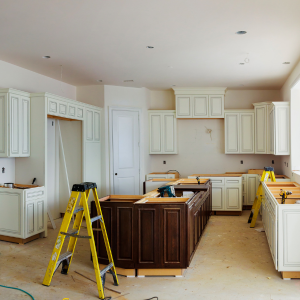
Dry Rot Repair in Sonoma County: Costs, Timelines, and When Remodeling Makes Sense
Cooper Esslinger • January 14, 2026

Learn realistic Sonoma County dry rot repair costs and timelines, plus when combining structural repairs with remodeling is the better long-term move.

Key Takeaway

  • Dry rot is a structural issue caused by long-term moisture, not a surface-level cosmetic problem
  • Repair costs and timelines vary widely based on damage extent, access, and whether remodeling is involved
  • Early dry rot repair is significantly less expensive than delayed or concealed damage
  • Bathrooms are one of the most common areas where dry rot is discovered during remodeling
  • In many cases, combining dry rot repair with remodeling is more cost effective than standalone repairs

Note: Any pricing, cost ranges, or timelines mentioned in this article are examples. Your specific project costs will vary on your bathroom size or affected area, material selections, local labor rates, and project scope.

Dry rot is one of the most misunderstood issues homeowners face in Sonoma County. Many people hear the term and assume it is a surface problem or a simple repair. In reality, dry rot is a structural concern that often reveals deeper moisture issues and hidden damage. Understanding the true cost, realistic timelines, and when a remodel makes more sense than a patch repair can save homeowners significant money and stress.


This article builds on the fundamentals covered in our dry rot guide and focuses specifically on dry rot repair decisions homeowners face once damage has been identified. If you have not already reviewed the causes and property value impact of rot, start here.

What dry rot is, briefly


Dry rot is structural wood decay caused by long-term moisture exposure. While the underlying causes and early warning signs are covered in detail in our dry rot damage guide, this article focuses on what homeowners need to know once dry rot has already been identified, including repair costs, timelines, and whether remodeling is the smarter long-term solution.


In Sonoma County, dry rot is most often uncovered during bathroom remodels, inspections, or demolition work, particularly in older homes built before modern waterproofing standards.


How dry rot is usually discovered


Dry rot is rarely found by accident. Most homeowners discover it during one of three situations:

  • A bathroom remodeling or renovation project where walls or floors are opened
  • A home inspection during a sale or refinance
  • A visible failure such as sagging floors, soft framing, or persistent moisture damage


Once dry rot is discovered, it is critical to address the underlying moisture source before repairs begin. Fixing damaged wood without resolving water intrusion almost guarantees the problem will return.


Dry rot repair costs in Sonoma County


Dry rot repair costs vary widely depending on location, extent of damage, and accessibility. There is no flat price, but realistic ranges help homeowners plan.


Typical dry rot repair cost ranges


  • Minor localized repairs, such as small framing sections or trim, often range from $1,500 to $4,000
  • Moderate repairs involving wall framing, subfloor sections, or window framing often range from $4,000 to $12,000
  • Extensive structural repairs involving multiple walls, floors, or load-bearing components can exceed $15,000 to $30,000 or more

Costs increase when repairs require demolition, temporary structural support, permit work, or coordination with plumbing and waterproofing repairs.


What affects the cost of dry rot repair


Several factors directly influence the final cost:


  • How far the rot has spread
  • Whether structural components are affected
  • Accessibility of the damaged area
  • Need for temporary shoring or structural support
  • Required permits and inspections
  • Whether repairs are standalone or part of a larger remodel


Dry rot discovered early and addressed correctly is always less expensive than rot that has been ignored or concealed.


Dry rot repair timelines


Repair timelines depend on scope, but homeowners should plan realistically.


Typical timelines


  • Small localized repairs may take 2 to 5 days
  • Moderate repairs often require 1 to 3 weeks
  • Large structural repairs combined with remodeling can extend to several weeks or months


Delays often occur when additional damage is discovered during demolition. This is common and should be planned for in both schedule and budget.


When dry rot repair turns into remodeling


There is a point where repairing dry rot alone no longer makes sense. This usually happens when:


  • Damage is widespread behind finished surfaces
  • Waterproofing systems are outdated or failing
  • Bathrooms or living areas are already functionally outdated
  • Repairs would require removing large sections of finished space anyway


In these cases, combining dry rot repair with bathroom remodeling or home renovations is often the smarter financial decision. It allows structural repairs, waterproofing upgrades, and finish improvements to be completed together, reducing duplicated labor and disruption.


Why bathrooms are the most common trigger for dry rot repairs


Bathrooms expose framing to daily moisture, steam, plumbing penetrations, and repeated use. Older bathrooms often lack proper waterproofing, ventilation, and drainage systems. When dry rot is found during a bathroom remodel, it is usually a sign that moisture has been present for years.


Addressing dry rot properly in bathrooms requires coordination between framing repair, plumbing corrections, waterproofing systems, and ventilation upgrades. This is where experienced general contracting and renovation oversight matter most.


Repair only vs remodeling: how to decide


A simple rule helps guide the decision:


  • Repair only makes sense when damage is small, localized, and surrounding systems are sound
  • Remodeling makes sense when repairs require opening large areas, upgrading outdated systems, or improving long-term usability


A qualified renovation contractor can help evaluate whether repairs can stand alone or should be integrated into a larger renovation plan.


How dry rot repair impacts resale value


Properly repaired dry rot does not automatically reduce property value. In many cases, documented professional repairs increase buyer confidence. Problems arise when repairs are incomplete, undocumented, or cosmetic.


Buyers are far more comfortable with dry rot repairs when:


  • The moisture source was corrected
  • Structural repairs were completed by licensed professionals
  • Waterproofing and ventilation were upgraded
  • Documentation and photos are available


Handled correctly, dry rot repair combined with remodeling can protect or even improve resale value.


Choosing the right contractor for dry rot repair


Dry rot repair is not a cosmetic trade. It requires structural understanding, moisture control, and coordination across multiple systems. Look for contractors who:

  • Have experience with dry rot and structural repairs
  • Understand waterproofing and moisture control
  • Can integrate repairs into bathroom remodeling or home renovations
  • Provide clear documentation and realistic timelines


Avoid contractors who suggest covering damage without addressing moisture sources or who minimize the seriousness of structural decay.
Final Thoughts

Dry rot repair in Sonoma County is rarely just a repair decision. It is often a crossroads where homeowners must choose between patching damage or investing in long-term solutions. Understanding costs, timelines, and when remodeling makes sense helps prevent wasted money and repeat repairs.


When dry rot is addressed early, combined with proper waterproofing and thoughtful remodeling, homeowners protect both their property value and their peace of mind. The smartest repairs are the ones that solve the problem completely, not temporarily.


For more on avoiding the decisions that lead to dry rot in the first place, read Bathroom Remodel Mistakes Sonoma County Homeowners Regret (and How to Avoid Them).

Dealing with dry rot in your Sonoma County home? Whether you need a repair assessment or want to explore combining repairs with a bathroom remodel, reach out. I’m happy to evaluate your situation and help you understand your options, no pressure, just clarity.

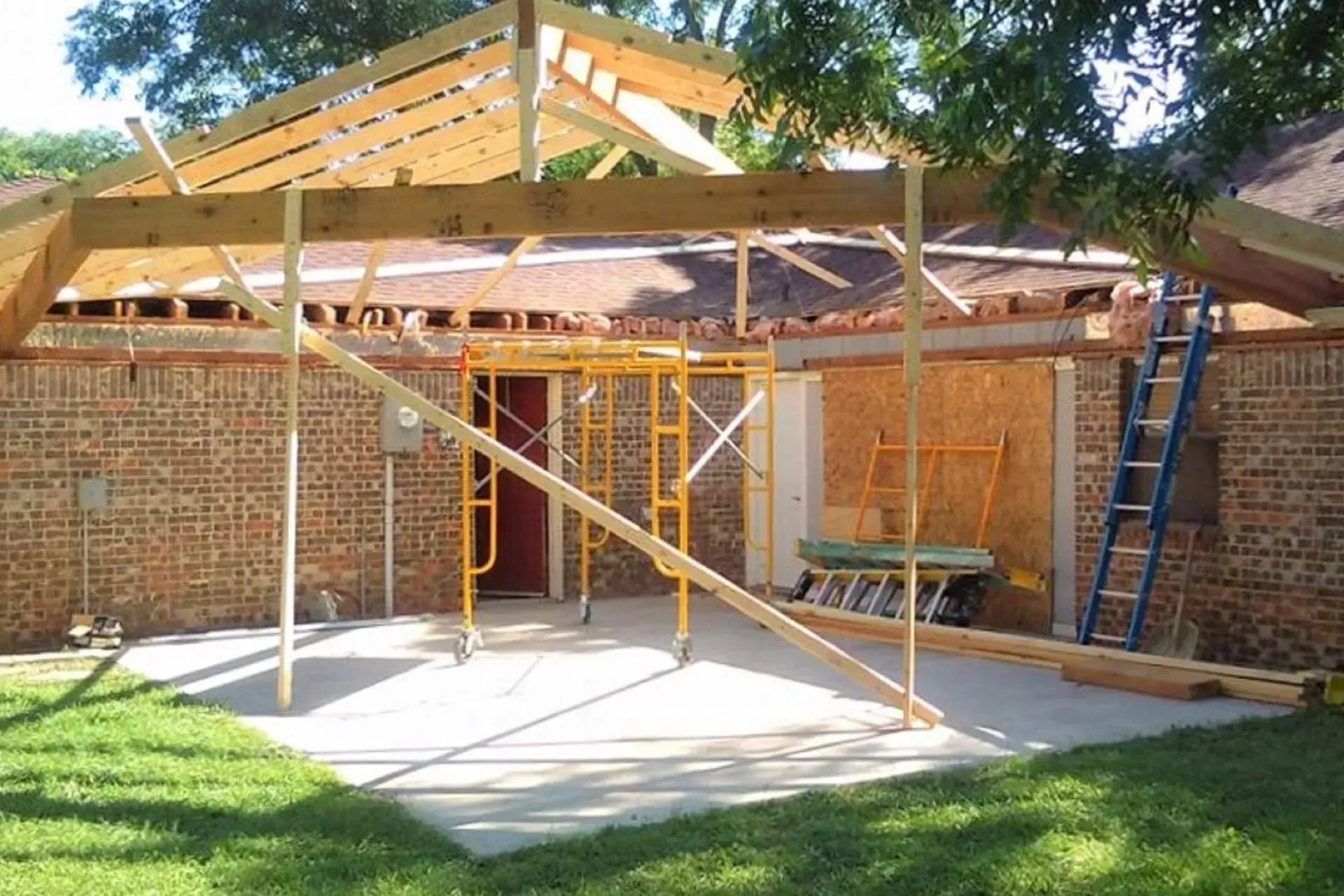
House under construction with brick walls, roof framing, scaffolding, and a ladder in a yard
By Cooper Esslinger • March 22, 2026
Whole-home remodel budgets usually jump when kitchens, bathrooms, layout changes, and hidden conditions stack together. Use this guide to plan scope, timeline, and pricing before design starts.
Wooden staircase with open treads and a central gap, viewed from above in a bright white interior.
By Cooper Esslinger • March 18, 2026
Second-story additions can solve space limits without expanding the footprint, but they also bring higher structural risk, longer timelines, and more coordination. Use this guide to plan budget, scope, and permit expectations.
Hands, calculator, and house model over paperwork, illustrating calculation.
By Cooper Esslinger • March 14, 2026
Explore ADU costs in Sonoma County, including typical budget ranges, price per square foot, and the key factors that influence your total project cost.
Blueprints with tile samples, cork ruler, and pencil on a drafting table
By Cooper Esslinger • March 10, 2026
Home addition budgets climb fast when structure, systems, and permit complexity stack together. Use this guide to plan realistic pricing, timing, and scope before design starts.
Two construction workers in hard hats review plans on a wall at a job site.
By Cooper Esslinger • February 17, 2026
The lowest bid rarely tells you who will run the cleanest project. Use this guide to compare scope quality, license status, communication, and timeline realism.
Empty garage
By Cooper Esslinger • February 16, 2026
Garage conversions look simple until slab, utility, ceiling, and code issues say otherwise. Use this checklist to test feasibility before design money starts going out the door.
Permit document with rolled blueprints on architectural plans.
By Cooper Esslinger • February 14, 2026
Plan your Sonoma County ADU permit path with clear steps by jurisdiction, realistic timeline expectations, fee categories, setback baselines, and city-specific notes.
Bright open-concept living room with beige sectional, patterned rug, and kitchen in background
By Cooper Esslinger • February 11, 2026
The better option usually depends less on square footage and more on how you plan to use the property, what the site allows, and how much disruption you can tolerate.
House model on blueprint with four colored pencils nearby
By Cooper Esslinger • January 25, 2026
This is the broad planning guide for Sonoma County homeowners deciding where to spend, what drives ROI, and where remodels usually go sideways before construction starts.
Bright white bathroom with pedestal sink, tub, toilet, large window, and gray tile floor
By Cooper Esslinger • January 22, 2026
The right bathroom contractor should be able to explain waterproofing, ventilation, scope detail, and documentation before talking finishes or fixtures.