How to Choose the Right Bathroom Remodel Contractor in Sonoma County
Cooper Esslinger • January 22, 2026

The right bathroom contractor should be able to explain waterproofing, ventilation, scope detail, and documentation before talking finishes or fixtures.

Key Takeaway

  • The contractor you hire matters more than the finishes you choose. A bathroom remodel succeeds or fails based on waterproofing, sequencing, and build quality behind the walls.
  • Verify your contractor’s California CSLB license using the official Check a License tool to confirm active status, correct classification, and any disciplinary history.
  • Check insurance certificates for general liability coverage (minimum $1 million) and workers’ compensation, dated within the last 12 months, before any work begins.
  • The best bathroom remodel contractors in Santa Rosa and Sonoma County provide clear scopes, realistic timelines, and documentation that protects resale value.
  • Avoid hiring based on price alone. Bathrooms require system-level expertise, not cosmetic installation.
  • A qualified contractor will explain waterproofing, ventilation, drying phases, and how hidden moisture issues are handled before rebuilding begins.


Bathroom remodeling is one of the most valuable upgrades you can make to a home in Sonoma County. It improves comfort, modernizes daily living, and often increases resale appeal.


But bathrooms are also one of the easiest places for a remodel to go wrong.


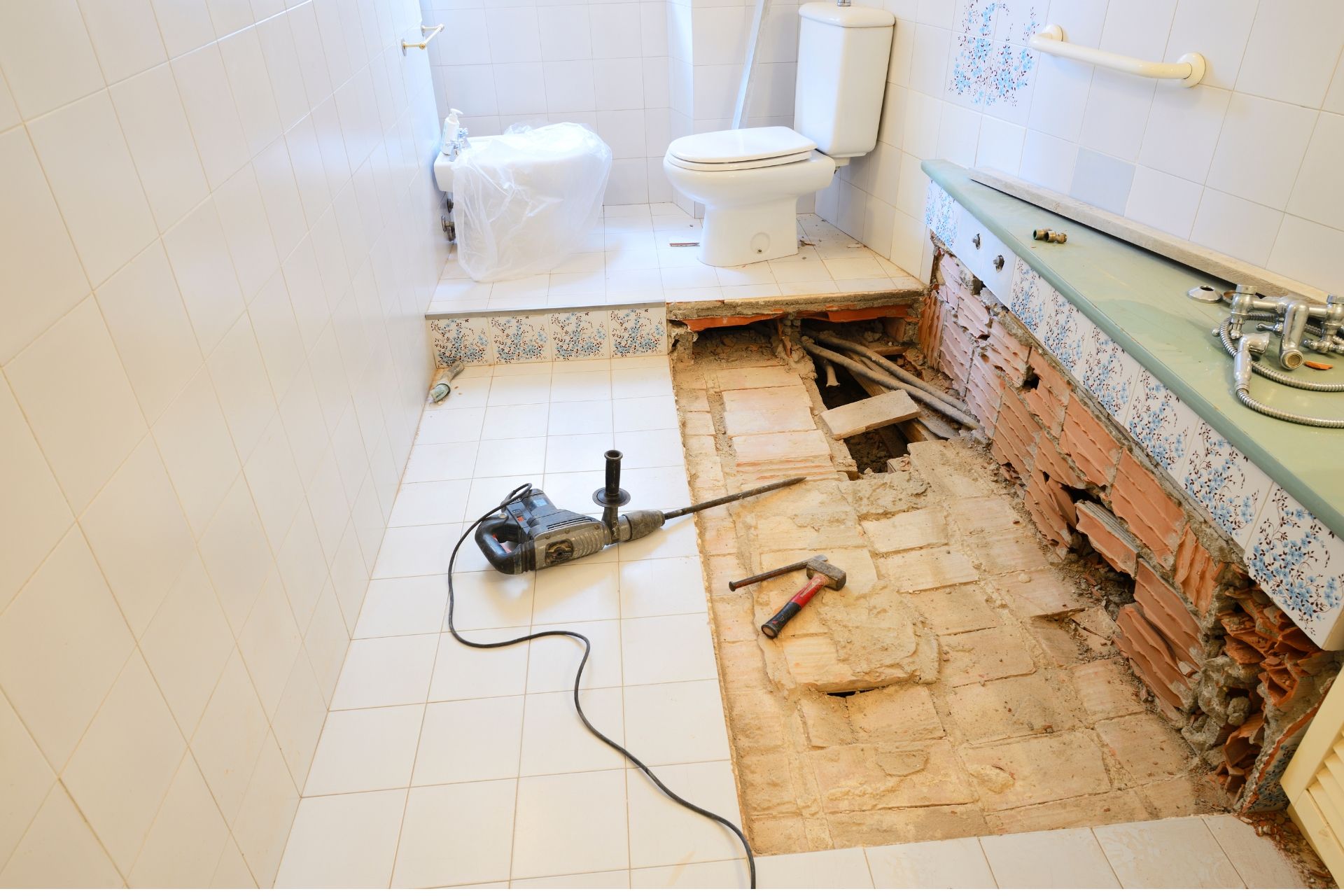
Unlike kitchens, bathroom failures often stay hidden for years. Moisture builds up behind tile. Ventilation problems go unnoticed. Waterproofing shortcuts become structural damage later. Dry rot is frequently discovered during inspections or future renovations, not immediately after the remodel is complete.


That is why choosing the right bathroom remodel contractor is one of the most important decisions you will make.


This guide walks through how Sonoma County homeowners can vet contractors correctly, avoid costly mistakes, and hire a team that builds bathrooms that last. If you are planning a bathroom remodel Santa Rosa project, use the same standards below.


For a deeper look at the design and system decisions that protect resale value, read our companion guide: Bathroom Remodeling Design Decisions That Protect Resale Value in Santa Rosa and Sonoma County

Why Hiring the Right Contractor Matters More in Bathrooms


Bathrooms concentrate water, steam, plumbing penetrations, and enclosed wall cavities into the smallest rooms in the home.


In older Santa Rosa, Petaluma, and Windsor houses, many bathrooms were built before modern waterproofing standards existed. That means remodel work often involves correcting hidden problems, not just upgrading finishes.


A bathroom remodel contractor is not just installing tile. They are rebuilding a moisture system.


The wrong contractor can leave you with:


  • Leaks behind walls
  • Failed waterproofing
  • Mold risk
  • Dry rot exposure
  • Resale disclosure problems
  • Expensive repeat repairs


The right contractor prevents those outcomes before they happen.


Step 1: Verify the Contractor’s CSLB License


Before discussing design, pricing, or scheduling, confirm the contractor is properly licensed in California.


Use the official California Contractors State License Board Check a License tool to verify:


  • Active license status
  • Correct classification
  • Bond and insurance filing
  • Disciplinary history or violations


A license check protects you from unqualified operators and ensures the contractor is legally allowed to perform bathroom remodeling work in Sonoma County.


If a contractor hesitates to provide a license number, that is a red flag.


Step 2: Confirm Insurance Coverage in Writing


Bathroom remodeling involves demolition, plumbing, electrical work, and structural risk.


Do not rely on verbal assurances.


Request insurance certificates showing:


  • General liability coverage, minimum $1 million
  • Workers’ compensation coverage
  • Certificate dates within the last 12 months


If a contractor does not carry proper coverage, you may become financially responsible for accidents or damage during the project.


Professional contractors provide this documentation immediately.


Step 3: Ask About Waterproofing Systems, Not Just Tile


One of the most common homeowner mistakes is assuming tile equals waterproofing.


Tile is not waterproofing.


Grout is not waterproofing.


Caulk is not waterproofing.


A qualified bathroom remodel contractor should be able to explain:


  • What waterproofing membrane system they use
  • How niches, valves, and transitions are sealed
  • How slopes are built toward drains
  • How penetrations are waterproofed
  • What is installed behind the tile


If a contractor cannot clearly describe their waterproofing approach, do not hire them.


Waterproofing is the foundation of the entire remodel.


For more on this topic, see Bathroom Remodel Mistakes Sonoma County Homeowners Regret and How to Avoid Them.


Step 4: Evaluate Their Ventilation and Moisture Control Process


Ventilation is one of the most overlooked causes of long term bathroom failure.


Many older Sonoma County homes still rely on undersized fans or none at all.


A strong contractor will address:


  • Proper exhaust fan sizing
  • Exterior ducting, not attic venting
  • Placement that captures steam effectively
  • Timers or humidity controls
  • Moisture control sequencing before rebuild


Buyers may not ask about ventilation, but inspectors will notice moisture risk quickly.


Step 5: Look for Clear Scope, Sequencing, and Timeline Discipline


Bathroom remodels fail when projects move forward without structure.


A qualified contractor provides:


  • A written scope of work
  • Clear sequencing from demolition through waterproofing
  • Drying time allowances when moisture is found
  • Trade coordination for plumbing and electrical
  • Realistic timeline expectations


Bathrooms are not cosmetic projects. They require controlled sequencing.


If a contractor promises an unrealistically fast turnaround, they may be skipping critical steps.


Step 6: Ask How Hidden Damage Is Handled


Bathrooms are one of the most common places where hidden moisture damage and dry rot are discovered.


A professional contractor should explain:


  • What happens if rot or water damage is found
  • How scope changes are documented
  • How drying is confirmed before rebuilding
  • How structural repairs are handled correctly


If you want deeper guidance on this topic, our dry rot process guide explains what happens when damage is uncovered mid remodel: What Happens Next When Dry Rot Is Found During a Remodel in Sonoma County.


A contractor’s answer here tells you whether they build safely or improvise under pressure.


Step 7: Prioritize Documentation That Protects Resale Value


Even perfectly executed bathroom remodels can become buyer concerns without proof.


A contractor who understands resale will provide:


  • Photos during demolition and waterproofing
  • Written scopes describing what was replaced
  • Invoices from licensed trades
  • Permit and inspection records when applicable
  • Product details for waterproofing and ventilation systems


Documentation turns potential moisture risk into buyer confidence.


This matters especially if you plan to sell within 5 to 10 years.


Step 8: Avoid Hiring Based on Price Alone


The cheapest bid is often the most expensive outcome.


Bathrooms require system-level expertise, not surface-level installation.


A qualified contractor should be able to explain:


  • Waterproofing strategy
  • Ventilation upgrades
  • Drying and sequencing phases
  • How inspections are handled
  • What documentation is provided


Hiring based on process, not price, is how homeowners avoid regret.


What the Best Bathroom Remodel Contractors Do Differently


The best contractors in Santa Rosa and Sonoma County are not the ones who sell luxury finishes.


They are the ones who build bathrooms correctly behind the walls.


They prioritize:


  • Waterproofing first
  • Ventilation performance
  • Clear sequencing
  • Structural integrity
  • Resale-safe documentation
  • Long term durability


That is what protects your investment.
Final Thoughts

Choosing the right bathroom remodel contractor in Sonoma County is not about finding the lowest quote or the trendiest design.


It is about finding the team that understands bathrooms as moisture systems, not cosmetic upgrades.


The right contractor protects your home from hidden damage, builds correctly behind the tile, documents the work properly, and delivers a remodel that holds up under inspection and resale.


If you are planning a bathroom remodel in Santa Rosa, Petaluma, Windsor, or anywhere in Sonoma County, the smartest decision you can make is hiring a contractor who does it right the first time.


Your future self, and your future buyer, will thank you.

Planning a bathroom remodel in Sonoma County and want to make sure you hire the right contractor? Reach out. I’m happy to answer questions about process, explain how we handle waterproofing and documentation, or help you understand what to look for, no pressure, just clarity.

House under construction with brick walls, roof framing, scaffolding, and a ladder in a yard
By Cooper Esslinger • March 22, 2026
Whole-home remodel budgets usually jump when kitchens, bathrooms, layout changes, and hidden conditions stack together. Use this guide to plan scope, timeline, and pricing before design starts.
Wooden staircase with open treads and a central gap, viewed from above in a bright white interior.
By Cooper Esslinger • March 18, 2026
Second-story additions can solve space limits without expanding the footprint, but they also bring higher structural risk, longer timelines, and more coordination. Use this guide to plan budget, scope, and permit expectations.
Hands, calculator, and house model over paperwork, illustrating calculation.
By Cooper Esslinger • March 14, 2026
Explore ADU costs in Sonoma County, including typical budget ranges, price per square foot, and the key factors that influence your total project cost.
Blueprints with tile samples, cork ruler, and pencil on a drafting table
By Cooper Esslinger • March 10, 2026
Home addition budgets climb fast when structure, systems, and permit complexity stack together. Use this guide to plan realistic pricing, timing, and scope before design starts.
Two construction workers in hard hats review plans on a wall at a job site.
By Cooper Esslinger • February 17, 2026
The lowest bid rarely tells you who will run the cleanest project. Use this guide to compare scope quality, license status, communication, and timeline realism.
Empty garage
By Cooper Esslinger • February 16, 2026
Garage conversions look simple until slab, utility, ceiling, and code issues say otherwise. Use this checklist to test feasibility before design money starts going out the door.
Permit document with rolled blueprints on architectural plans.
By Cooper Esslinger • February 14, 2026
Plan your Sonoma County ADU permit path with clear steps by jurisdiction, realistic timeline expectations, fee categories, setback baselines, and city-specific notes.
Bright open-concept living room with beige sectional, patterned rug, and kitchen in background
By Cooper Esslinger • February 11, 2026
The better option usually depends less on square footage and more on how you plan to use the property, what the site allows, and how much disruption you can tolerate.
House model on blueprint with four colored pencils nearby
By Cooper Esslinger • January 25, 2026
This is the broad planning guide for Sonoma County homeowners deciding where to spend, what drives ROI, and where remodels usually go sideways before construction starts.
Bathroom under renovation with exposed floor and tools.
By Cooper Esslinger • January 20, 2026
Avoid costly bathroom remodel mistakes in Sonoma County by getting layout, ventilation, waterproofing, and permit decisions right before construction starts.