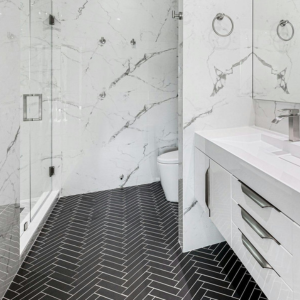
Why Bathroom Remodeling Decisions Carry Higher Risk Than Kitchens
Bathrooms concentrate water, steam, plumbing penetrations, and enclosed wall cavities into the smallest rooms in the house. In older Santa Rosa and Petaluma homes, many bathrooms were built before modern waterproofing standards existed.
This is why bathrooms are one of the most common locations where dry rot and hidden moisture damage are discovered during renovations and inspections. In many cases, the bathroom looked fine on the surface for years.
From a resale perspective, this creates two risks. First, undiscovered damage can lead to expensive repairs and mandatory disclosures. Second, poorly documented repairs can reduce buyer confidence even after the work is completed.
A bathroom remodel that protects resale value focuses first on how water behaves in the room, not just how finishes look.
Layout Decisions That Buyers Notice Immediately
Buyers in Sonoma County notice bathroom layout before they notice tile or fixtures. A bathroom that feels cramped, awkward, or poorly planned raises concerns even if everything is new.
Key layout considerations that support resale include:
- Clear circulation around the vanity, toilet, and shower
- Door swings that do not conflict with fixtures
- Adequate clearance around toilets and shower entries
- Layouts that allow easy access for maintenance and future repairs
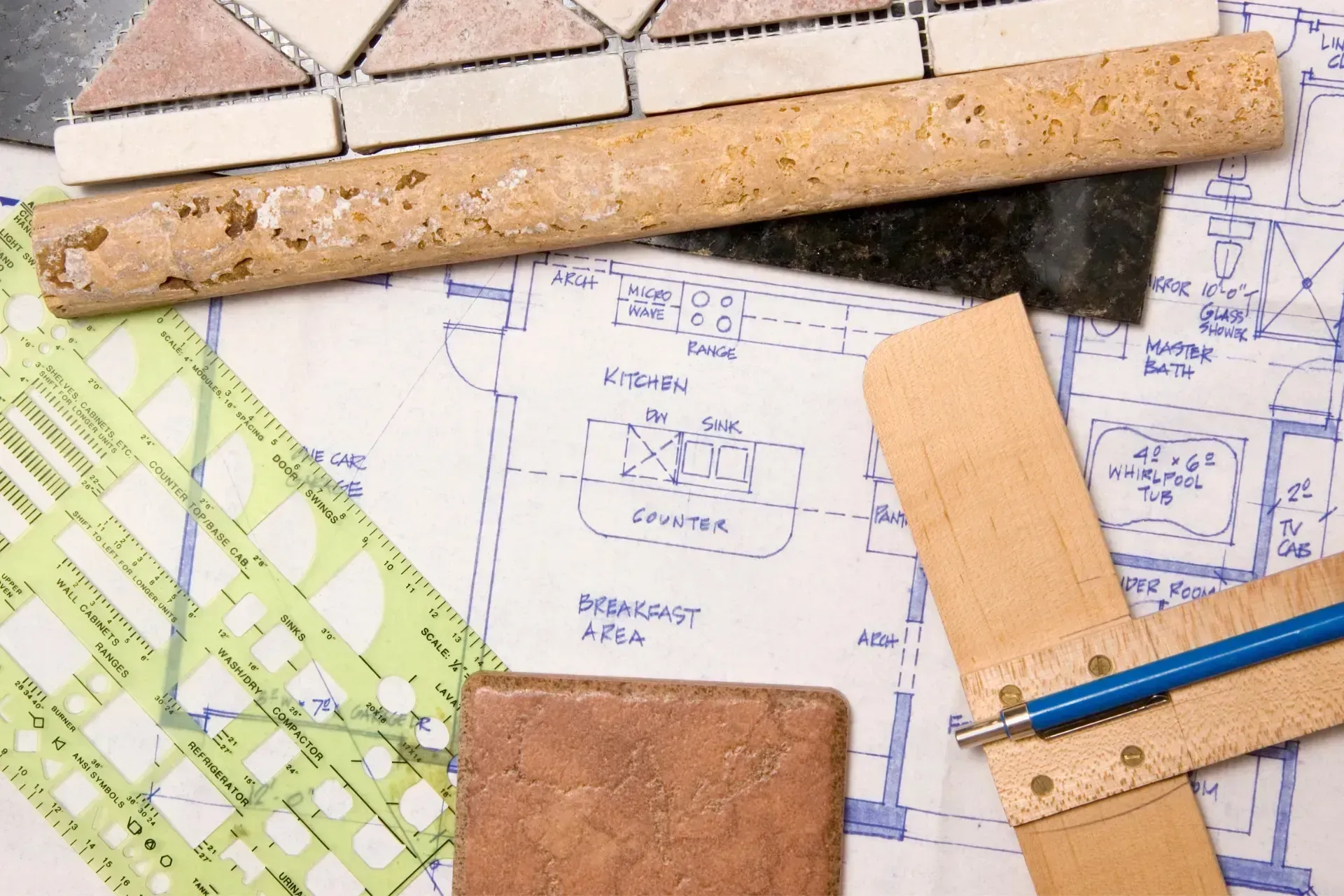
In smaller Santa Rosa ranch homes and mid century layouts, improving flow often means subtle changes rather than full reconfiguration. Shifting a vanity, resizing a shower, or correcting door placement can dramatically improve usability without major structural changes.
Overly aggressive layout changes can hurt resale if they reduce storage, eliminate tubs in family oriented neighborhoods, or create custom configurations that only work for one lifestyle.
Designing a Small Bathroom for Maximum Appeal
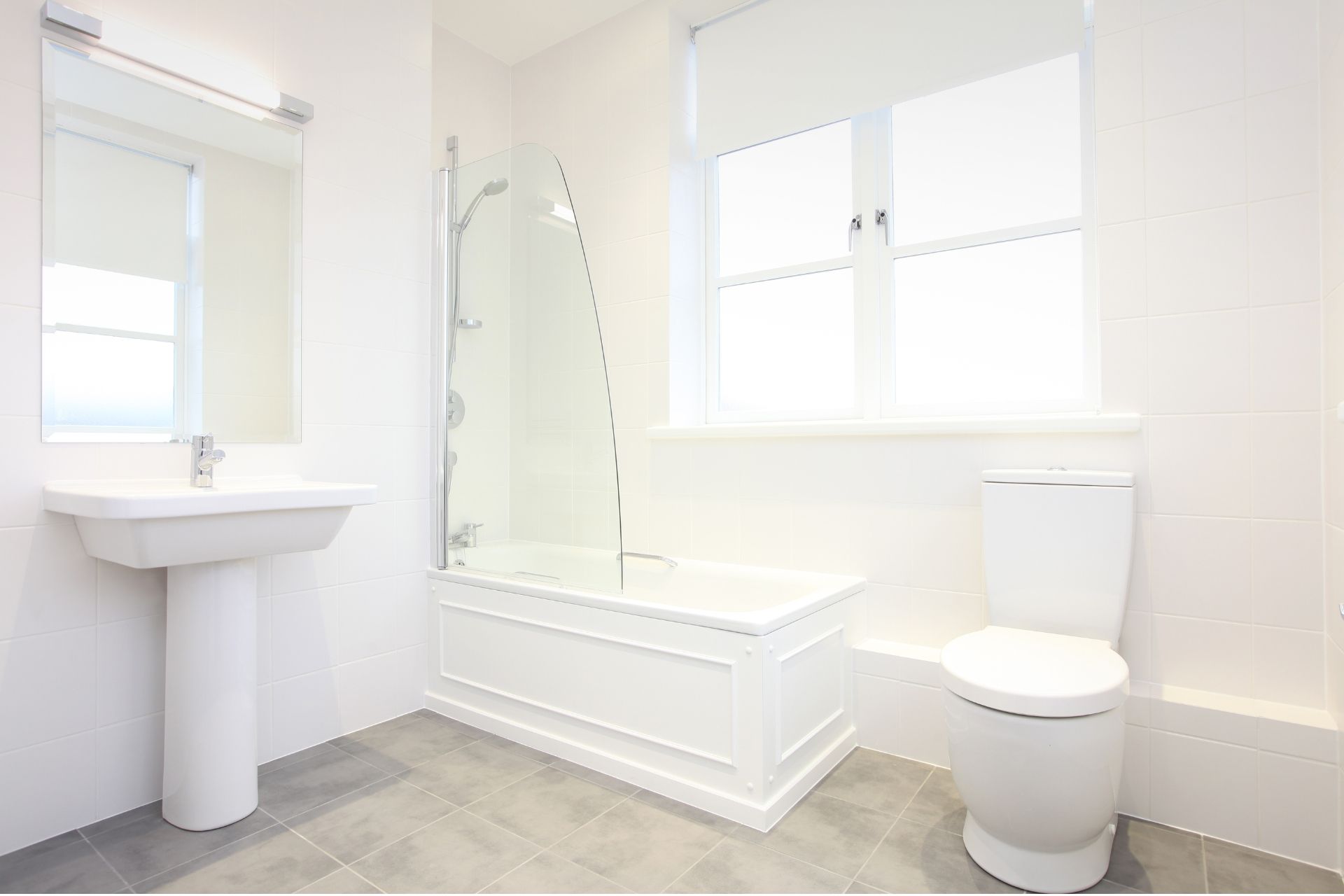
Small bathrooms do not have to feel compromised. The most successful remodels work with the space rather than fighting it.
Wall mounted toilets and sinks can free up floor space. Curved or frameless glass shower doors improve visual openness. Light colors, well placed mirrors, and layered lighting make tight spaces feel brighter and more comfortable.
When every fixture is chosen with proportion and function in mind, even a small bathroom can feel intentional, usable, and appealing to buyers.
Waterproofing Systems Matter More Than Tile Choices
One of the most common resale mistakes in bathroom remodeling is treating waterproofing as a secondary concern. Tile, grout, and caulk are surface finishes, not waterproofing systems.
Buyers and inspectors care about what is behind the tile. Proper waterproofing includes:
- Continuous waterproof membranes in wet areas
- Correct integration at drains, niches, and transitions
- Sloped surfaces that move water toward drains
- Sealed penetrations for valves and plumbing fixtures
In Sonoma County homes, failed waterproofing is one of the leading causes of hidden rot. This is why dry rot is often discovered when bathrooms are opened during remodeling.
If you are planning a bathroom remodel, understanding how waterproofing failures lead to rot is critical. Our guide on
what happens when dry rot is found during a remodel explains how these failures are typically uncovered and why proper sequencing matters.
Ventilation Decisions That Protect Long Term Value
Ventilation is one of the most underestimated factors in bathroom remodeling. Many older bathrooms in Santa Rosa, Windsor, and Rohnert Park rely on undersized fans or no fan at all.
Poor ventilation allows moisture to linger in wall cavities and ceilings long after showers end. Over time, this creates ideal conditions for mold and wood decay.
Resale friendly ventilation decisions include:
- Quiet, properly sized exhaust fans
- Ducting that vents fully to the exterior
- Fan placement that captures steam effectively
- Controls that encourage consistent use
Buyers may not ask about ventilation directly, but inspectors will. Proper ventilation reduces future repair risk and increases confidence during resale.
Material Choices That Age Well in Sonoma County Bathrooms
Bathroom finishes should balance durability, timeless design, and buyer expectations.
Materials that tend to support resale value include:
- Porcelain or ceramic tile with proven durability
- Neutral color palettes that work across styles
- Solid surface or stone vanity tops
- Moisture resistant wall materials in wet zones
Highly personalized tile patterns, bold color schemes, or niche design statements can limit buyer appeal. These choices are expensive to undo and often date faster than expected.
Buyers want to imagine themselves using the space, not planning their first renovation.
Storage and Function Matter More Than Luxury Fixtures
Buyers consistently prioritize function over luxury in bathrooms. Adequate storage, usable counter space, and practical layouts matter more than high end fixtures.
Resale positive storage decisions include:
- Vanities with drawers rather than doors only
- Linen storage that does not intrude on circulation
- Medicine cabinets that provide concealed storage
A bathroom that looks beautiful but lacks storage often feels impractical, especially in family oriented neighborhoods.
Space Optimization Strategies for Modern Buyers
Modern buyers want bathrooms that work efficiently. Built in storage, wall mounted fixtures, low threshold showers, and recessed cabinets all improve usability while appealing to a broad audience.
These decisions improve safety, accessibility, and comfort without calling attention to themselves, which is exactly what buyers prefer.
How Bathroom Remodeling Decisions Tie Directly to Dry Rot Risk
Dry rot is not a separate issue from bathroom remodeling. It is often the result of decisions made during renovation.
The most common causes include improper waterproofing, inadequate ventilation, rushed sequencing, rebuilding before areas are fully dry, and lack of documentation.
When these failures are discovered later, they frequently lead to repair negotiations, timeline delays, or price reductions during resale. Our
dry rot repair cost and timeline guide explains how these situations typically unfold once moisture problems surface.
For a deeper look at how rot is discovered and handled once walls are open, our
dry rot process guide walks through what happens next during a remodel.
A bathroom remodel is only complete when moisture pathways are controlled and documented. When executed correctly, bathroom remodeling significantly reduces future disclosure risk and protects resale value.
Bathroom Style and Trends That Stand the Test of Time
The bathrooms that age best are not the trendiest. Clean lines, uncluttered layouts, and neutral palettes tend to hold up across buyer generations.
Natural materials used thoughtfully add warmth without overwhelming the space. When timeless design is paired with quality installation, bathrooms feel current now and relevant years later.
Budgeting and Planning for a Resale Focused Remodel
A bathroom remodel that supports resale value starts with a realistic plan and a disciplined budget.
Focus spending on layout fixes, waterproofing, ventilation, and durable materials. These are the areas buyers and inspectors care about most.
Evaluating neighborhood sales and aligning investment with local expectations helps prevent overbuilding while still delivering strong returns.
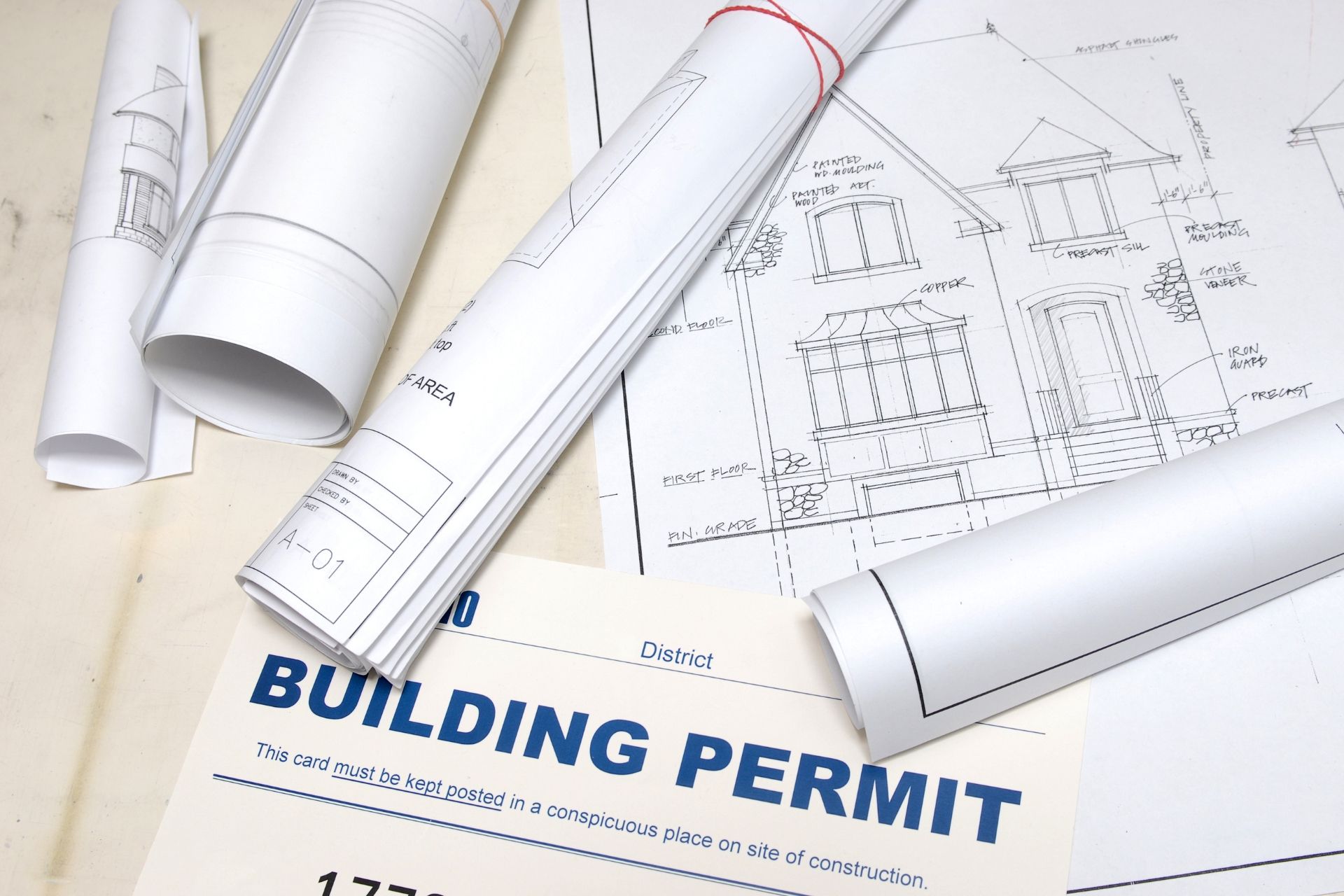
Documentation and Permits Protect Buyer Confidence
Even well executed remodels lose value when documentation is missing.
Resale friendly documentation includes:
- Photos during demolition and waterproofing
- Inspection records when applicable
- Invoices from licensed trades
- Written scopes explaining what was replaced and why
This documentation becomes especially important if moisture or dry rot issues are ever disclosed. Our
dry rot process guide explains why documentation often determines whether buyers feel reassured or push for concessions.