How to Choose the Right Kitchen Remodel Contractor in Sonoma County
Cooper Esslinger • January 7, 2026

A strong kitchen contractor should help you pressure-test scope, allowances, sequencing, and permit readiness before demolition starts.

Key Takeaway

  • When hiring a kitchen remodel contractor in Sonoma County, process quality is a stronger predictor of success than bid price alone.
  • A reliable contractor gives clear scope detail, realistic timeline phases, and documented change-order controls.
  • The most common hiring mistake is comparing totals instead of normalizing what each bid includes and excludes.
  • Permit readiness, communication cadence, and site supervision standards should be confirmed before contract signing.
  • If you are searching for a kitchen remodel Santa Rosa contractor, the same vetting framework applies.


Choosing the right contractor determines whether your kitchen remodel stays organized or turns into a sequence of surprises.


This guide shows how to compare contractors in Sonoma County using a practical, repeatable framework you can apply before you commit.


For related planning context, see our kitchen mistakes guide and kitchen resale value guide.

Note: Any pricing and timeline ranges in this article are planning examples only. Actual costs depend on home condition, selections, permitting, and scope.

What a Kitchen Remodel Contractor Should Handle

A full-service contractor should manage more than trades. They should coordinate scope, documentation, sequencing, and accountability across the project lifecycle.

Responsibility What Good Execution Looks Like
Preconstruction Scope alignment, assumptions documented, allowance clarity
Permits and reviews Complete submittals, response process for plan-check comments
Trade coordination Logical sequencing for demo, rough-ins, finishes, and inspections
Communication Weekly updates, decision deadlines, documented changes
Closeout Punch-list completion, final sign-off, records organized

Pre-Hire Checklist for Sonoma County Homeowners

1) License and Insurance Verification

  • Verify CSLB license status and classification
  • Confirm general liability and workers’ compensation coverage
  • Review any disciplinary history before shortlisting


Official resource: CSLB Check a License.

2) Scope and Contract Clarity

  • Line-item scope by phase
  • Allowance values and assumptions in writing
  • Explicit exclusions and owner responsibilities
  • Change-order approval method and pricing logic

3) References and Process Fit

  • Recent, local project references
  • Communication cadence and point of contact
  • Site supervision model and trade coordination method

How to Compare Bids Properly

Most kitchen hiring mistakes happen here: homeowners compare bid totals instead of comparable scopes.


  1. Use the same project assumptions for every bidder.
  2. Normalize categories (demo, rough-ins, finishes, closeout).
  3. List allowances side by side.
  4. Identify exclusions and unresolved assumptions.
  5. Compare schedule milestones, not just completion dates.


A low number is often a low-scope number.

Example: Weak Bid Line Item vs Strong Bid Line Item

Area Weak Scope Language Strong Scope Language
Cabinet install Install cabinets per plan Install semi-custom cabinets, include fillers, finished end panels, crown, soft-close hardware, and final alignment
Electrical Electrical updates as needed New dedicated appliance circuits, island outlets, under-cabinet lighting circuit, AFCI/GFCI compliance, inspection-ready rough and trim
Backsplash Tile backsplash included Backsplash at all counter runs, includes prep, setting materials, trim profile, grout, and caulk transitions

If one proposal uses broad language and another uses specific scope definitions, they are not equivalent bids even when totals are close.

Permits, Timeline, and Local Realities

Kitchen projects in Sonoma County can involve permit review depending on scope, especially when electrical, plumbing, structural, or layout changes are involved.


Schedule usually breaks into four phases:

  • Preconstruction and selections
  • Permit/plan-check cycles
  • On-site construction
  • Punch list and final inspection


Realistic planning depends on complete documents and clear decision timing, not optimistic promises.

Santa Rosa and Sonoma County Permit Reality

For many kitchen projects, timeline risk is less about labor speed and more about documentation quality. Incomplete plans, missing details, and late scope changes can trigger rechecks and schedule drift.


In practice, strong contractors reduce delays by finalizing fixture schedules, appliance specs, and electrical/plumbing assumptions before submission. Weak preconstruction often shows up later as change-order volume and lost weeks.

Practical Timeline Ranges (Planning Only)

  • Preconstruction: scope alignment, selections, and documentation
  • Permit/review: jurisdiction processing plus any revision cycles
  • On-site build: demolition through finish install
  • Closeout: inspection completion and punch list


As a rule, the cleaner the documentation, the shorter and more predictable each phase becomes.

Questions to Ask Before Signing

  • How do you prevent scope drift before work starts?
  • Who handles permit revisions and jurisdiction comments?
  • How often will I receive updates and in what format?
  • How do you handle hidden-condition discoveries?
  • What triggers a change order, and how is it priced?


Good contractors answer with specific process language, not broad reassurance.

Red Flags to Avoid

  • Vague lump-sum proposal with minimal detail
  • Unclear allowance assumptions
  • No defined communication cadence
  • Pressure to sign before scope reconciliation
  • Timeline claims with no milestone breakdown

A Local Example of Scope Drift

A common Sonoma County scenario: a proposal appears competitive, but electrical scope is written as “as needed.” After demolition, panel and circuit upgrades are treated as add-ons. The homeowner experiences a large budget jump that could have been identified in preconstruction.


This is why scope wording matters as much as pricing. If core systems are undefined, final cost is undefined.

Budget Planning Ranges (2026 Conditions)

Kitchen remodel pricing varies widely by scope and finish level. The most important budget control is early scope definition plus contingency planning.

Project Level Typical Scope Primary Cost Drivers
Moderate Layout retained, finish and fixture upgrades Cabinets, counters, appliance package
Mid-Range Partial layout changes, rough-in updates Trade labor, electrical/plumbing scope, materials
Major Structural changes and full systems refresh Engineering, permitting, complexity, sequencing

FAQ: Kitchen Remodel Contractor Sonoma County

  • How many contractors should I interview?

    Usually 2 to 4 serious candidates is enough for high-quality comparison without creating noise.

  • Do I need permits for a kitchen remodel?

    It depends on scope. Structural, electrical, plumbing, and many layout changes typically trigger permit requirements.

  • How early should I book a contractor?

    Earlier is better, especially when your scope requires detailed preconstruction and permit coordination.


  • Should I choose the lowest bid?

    Choose the clearest, most complete scope with strong process controls. Lowest initial cost often becomes highest total cost.

Final Thoughts

Hiring well is a process decision, not a guess.


If you verify credentials, normalize scope, and prioritize communication and sequencing discipline, you dramatically reduce kitchen remodel risk in Sonoma County.

If you want help pressure-testing bids before you sign, I can review scope assumptions with you so you can compare proposals clearly.

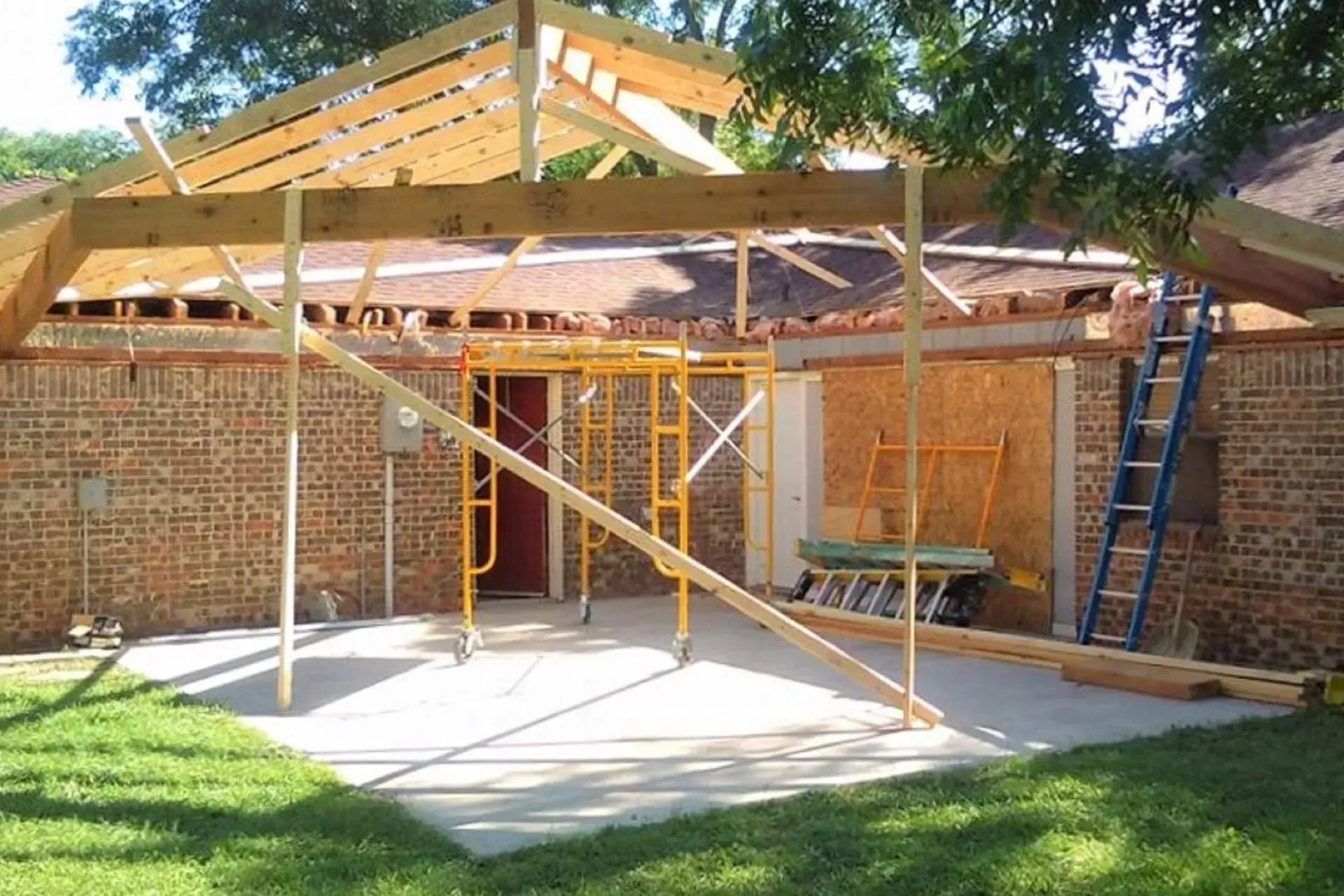
House under construction with brick walls, roof framing, scaffolding, and a ladder in a yard
By Cooper Esslinger • March 22, 2026
Whole-home remodel budgets usually jump when kitchens, bathrooms, layout changes, and hidden conditions stack together. Use this guide to plan scope, timeline, and pricing before design starts.
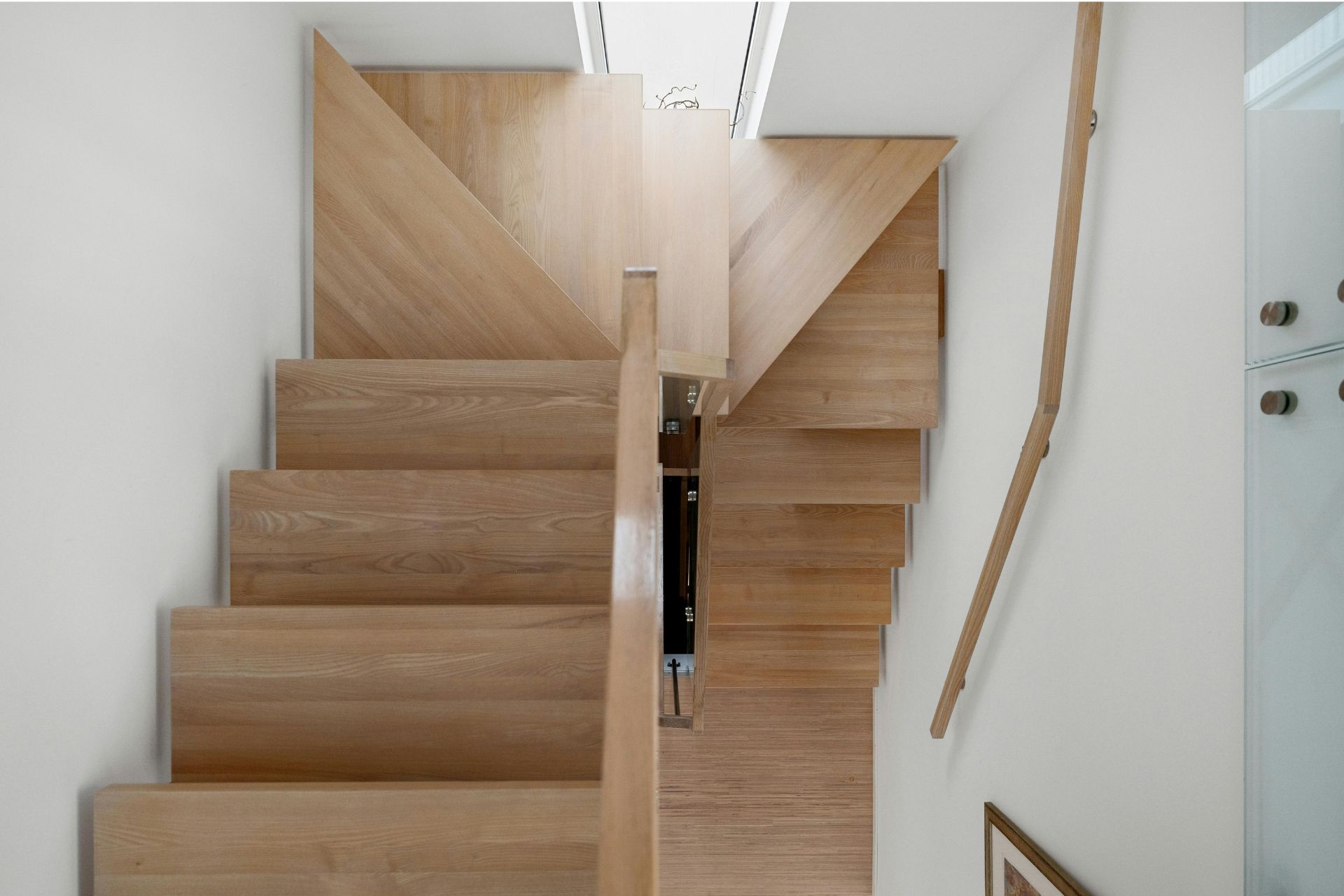
Wooden staircase with open treads and a central gap, viewed from above in a bright white interior.
By Cooper Esslinger • March 18, 2026
Second-story additions can solve space limits without expanding the footprint, but they also bring higher structural risk, longer timelines, and more coordination. Use this guide to plan budget, scope, and permit expectations.

Hands, calculator, and house model over paperwork, illustrating calculation.
By Cooper Esslinger • March 14, 2026
Explore ADU costs in Sonoma County, including typical budget ranges, price per square foot, and the key factors that influence your total project cost.

Blueprints with tile samples, cork ruler, and pencil on a drafting table
By Cooper Esslinger • March 10, 2026
Home addition budgets climb fast when structure, systems, and permit complexity stack together. Use this guide to plan realistic pricing, timing, and scope before design starts.

Two construction workers in hard hats review plans on a wall at a job site.
By Cooper Esslinger • February 17, 2026
The lowest bid rarely tells you who will run the cleanest project. Use this guide to compare scope quality, license status, communication, and timeline realism.
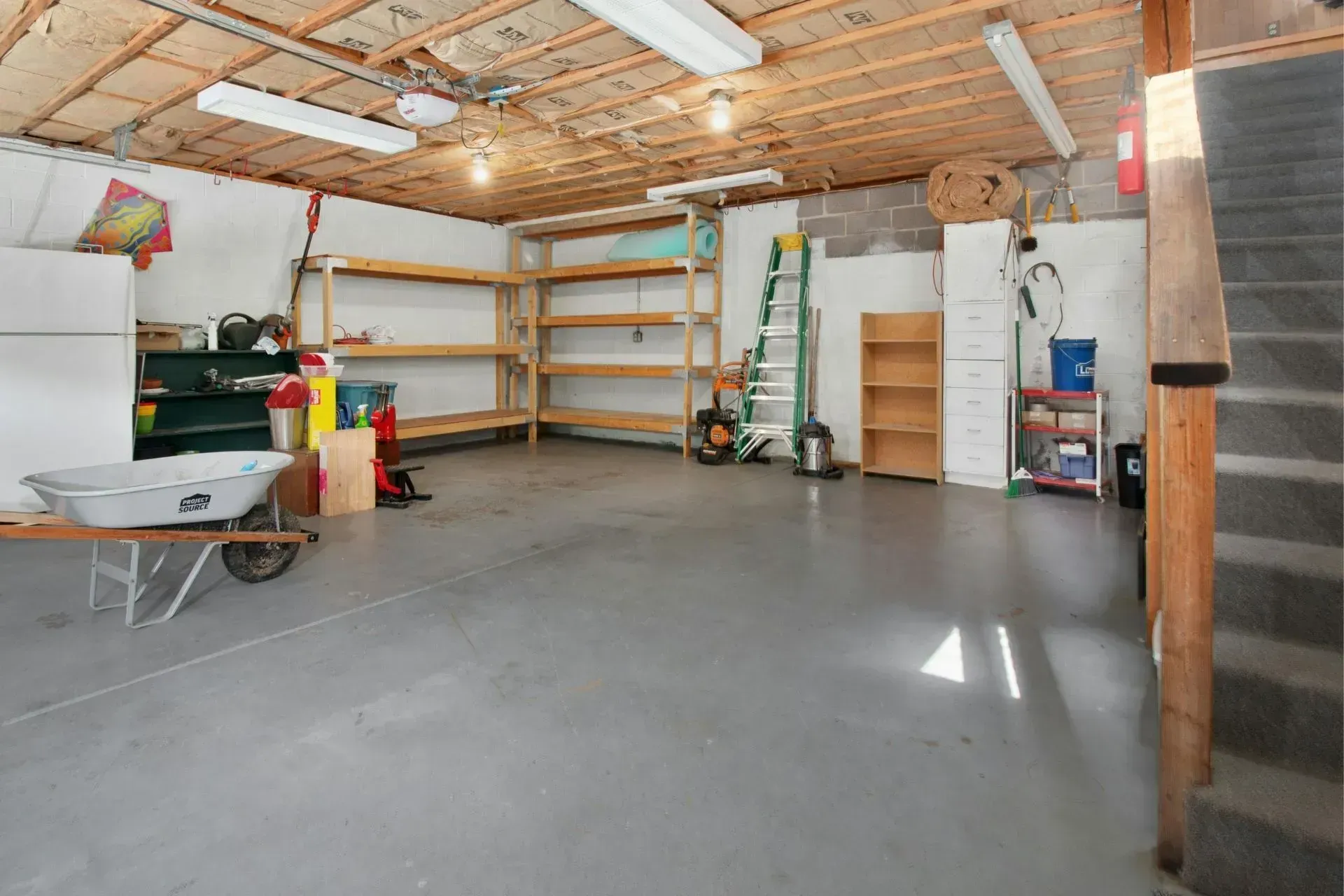
Empty garage
By Cooper Esslinger • February 16, 2026
Garage conversions look simple until slab, utility, ceiling, and code issues say otherwise. Use this checklist to test feasibility before design money starts going out the door.
Permit document with rolled blueprints on architectural plans.
By Cooper Esslinger • February 14, 2026
Plan your Sonoma County ADU permit path with clear steps by jurisdiction, realistic timeline expectations, fee categories, setback baselines, and city-specific notes.
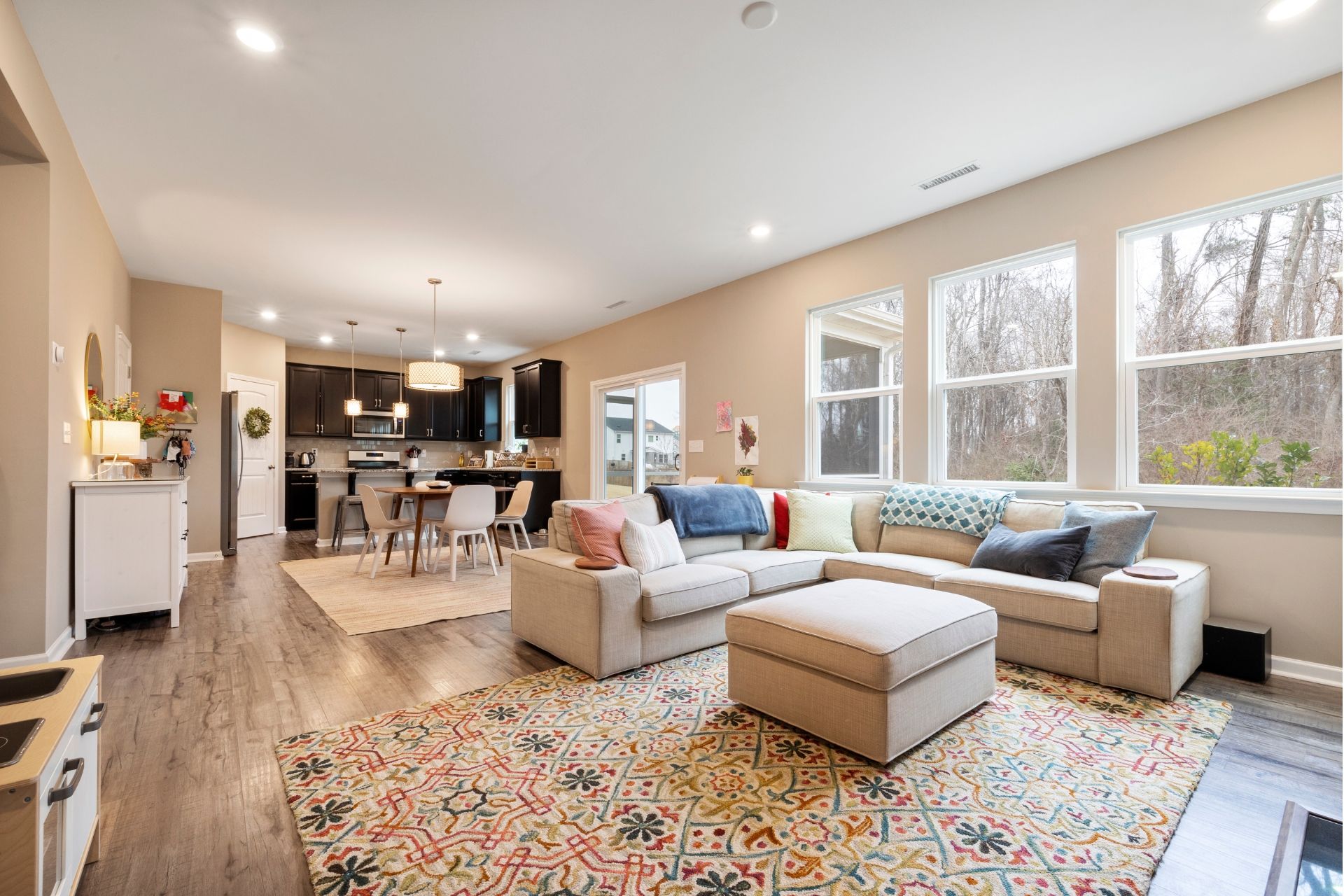
Bright open-concept living room with beige sectional, patterned rug, and kitchen in background
By Cooper Esslinger • February 11, 2026
The better option usually depends less on square footage and more on how you plan to use the property, what the site allows, and how much disruption you can tolerate.

House model on blueprint with four colored pencils nearby
By Cooper Esslinger • January 25, 2026
This is the broad planning guide for Sonoma County homeowners deciding where to spend, what drives ROI, and where remodels usually go sideways before construction starts.
Bright white bathroom with pedestal sink, tub, toilet, large window, and gray tile floor
By Cooper Esslinger • January 22, 2026
The right bathroom contractor should be able to explain waterproofing, ventilation, scope detail, and documentation before talking finishes or fixtures.