Home Addition Cost in Sonoma County: Price per Sq Ft, Permit Timeline, and Real Budget Scenarios
Cooper Esslinger • March 10, 2026

Home addition budgets climb fast when structure, systems, and permit complexity stack together. Use this guide to plan realistic pricing, timing, and scope before design starts.

Key Takeaway

  • Most Sonoma County home additions in 2026 land between $350 and $700+ per square foot, depending on complexity.
  • Single-story additions are usually more cost-efficient than second-story additions with structural upgrades.
  • Permitting and revisions can add meaningful schedule risk, so timeline planning matters as much as design.
  • The biggest budget changes usually come from scope growth, structural requirements, and hidden conditions.
  • A realistic contingency and clear scope definition are the best tools for cost control.

Quick Answer: What Does a Home Addition Cost in Sonoma County?


For 2026 planning, many homeowners in Sonoma County should expect broad all-in ranges around $220,000 to $700,000+ depending on size, design complexity, structural scope, and finish level.


If you are comparing a new addition against converting existing space, read this first: ADU Conversion vs Home Addition in Sonoma County.

Planning ranges only. Final pricing depends on engineering, existing conditions, utility scope, permit requirements, and finish selections.

2026 Price per Square Foot for Home Additions

Addition Type Typical 2026 Cost per Sq Ft What Usually Drives Cost
Simple Single-Story Addition $350 to $500 / sq ft Foundation size, roof tie-in, basic system extensions, finish level
Mid-Complexity Single-Story Addition $500 to $650 / sq ft Layout changes, structural headers, HVAC/electrical rework, custom details
Second-Story or High-Complexity Addition $650 to $900+ / sq ft Structural reinforcement, stairs, deep system coordination, engineering scope

Cost per square foot is useful for early planning, but it is not enough by itself. Two projects with the same square footage can have dramatically different costs based on structural and systems scope.

Real Budget Scenarios Sonoma County Homeowners Can Use

Scenario Typical Size Planning Range (2026) Notes
Bedroom + Closet Addition 250 to 350 sq ft $120,000 to $220,000+ Often lower complexity, but structure and roof integration still matter
Primary Suite Addition 350 to 550 sq ft $220,000 to $420,000+ Bathroom scope, plumbing, waterproofing, and finishes drive variance
Family Room or Kitchen Expansion 400 to 700 sq ft $260,000 to $500,000+ Larger framing spans and system integration can raise cost quickly
Second-Story Addition 400 to 800 sq ft $350,000 to $700,000+ High structural and coordination complexity compared to single-story work

Useful planning rule: if your layout, structure, and systems are all changing, budget toward the upper end of any early range.

What Is Included in an “All-In” Addition Budget?


  • Design and engineering scope
  • Permit fees and review cycles
  • Demolition and site preparation
  • Foundation and framing work
  • Roof integration and exterior envelope
  • Electrical, plumbing, and HVAC extensions or upgrades
  • Insulation, drywall, interior finishes, and fixtures
  • Project management, scheduling, and inspections


Depending on scope, some projects also need panel upgrades, drainage corrections, window changes, or structural reinforcement in adjacent parts of the home.


Permit Timeline: What to Expect in 2026


  • Initial planning and design: often 3 to 8 weeks
  • Plan development and engineering: often 4 to 10 weeks
  • Permit review and revisions: often 6 to 16+ weeks
  • Construction duration: often 4 to 10+ months depending on scope


For many homeowners, permitting and revisions are where schedule drift starts. Build a realistic timeline from day one and avoid planning around best-case assumptions.


For local references, review Permit Sonoma and your specific city requirements if you are within city jurisdiction. If you want a city-by-city permit framework example, see Sonoma County permits timeline, fees, and approval steps by city.


Top Cost Drivers That Change Home Addition Budgets


1. Structural Complexity

Large spans, roofline changes, and load-path modifications can significantly increase engineering and construction scope.


2. System Integration

Extending HVAC, electrical, and plumbing into new space can be straightforward or very complex depending on existing system capacity.


3. Existing Conditions

Older homes can reveal hidden issues when walls are opened. Dry rot, outdated wiring, and previous non-standard work can affect both cost and schedule. For a deeper breakdown, see Dry Rot Repair in Sonoma County: Costs, Timelines, and Options and What Happens Next When Dry Rot Is Found During a Remodel in Sonoma County.


4. Scope Expansion

Many budgets grow because homeowners add “while we’re here” work mid-project. Define scope clearly before build start whenever possible.


5. Finish Level

Premium windows, custom millwork, and high-end fixtures can move totals quickly, especially in kitchen or primary-suite additions.


How to Control Budget Risk Before Construction Starts


  1. Lock a clear scope and performance goals before pricing.
  2. Separate must-haves from optional upgrades.
  3. Carry a realistic contingency, often around 10% to 20% depending on home age and complexity.
  4. Use allowances carefully and confirm what is actually included.
  5. Prioritize teams with clear process and documentation, not just low bids.

If you are in contractor selection stage, use this guide: General Contractors in Sonoma County: Hiring Guide.


Is a Home Addition Better Than Remodeling Existing Space?


It depends on the problem you are solving. If you need true new square footage and better long-term layout function, an addition may be the right move. If underused space can be converted effectively, remodeling may offer better budget efficiency.


Best approach: evaluate goals, constraints, and 5 to 10 year use cases before committing to design direction.

Frequently Asked Questions

  • How much does a 500 sq ft addition cost in Sonoma County in 2026?

    Many 500 sq ft projects land around $220,000 to $420,000+, depending on complexity, systems work, and finish level.

  • What is the cheapest type of home addition?

    Simple single-story additions with straightforward structure and minimal system complexity are often the most cost-efficient.

  • Why do addition budgets increase after work starts?

    Common reasons include hidden conditions, scope changes, upgraded finish selections, and system work discovered during construction.

  • How long does a home addition take in Sonoma County?

    From planning through completion, many projects take several months to over a year depending on design, permitting, revisions, and construction scope.

Final Thoughts

A successful home addition is not just about adding square footage. It is about improving how your home works, protecting long-term value, and managing risk before construction begins.


When budget, timeline, and scope are defined clearly up front, homeowners make better decisions and avoid expensive surprises later.


For broader planning context across project types, see our Sonoma County Remodeling Guide for 2026.

Thinking about a home addition in Sonoma County? If you want a practical range for your property and a clear next-step plan, reach out. I can help you evaluate scope, timeline, and budget before you commit.

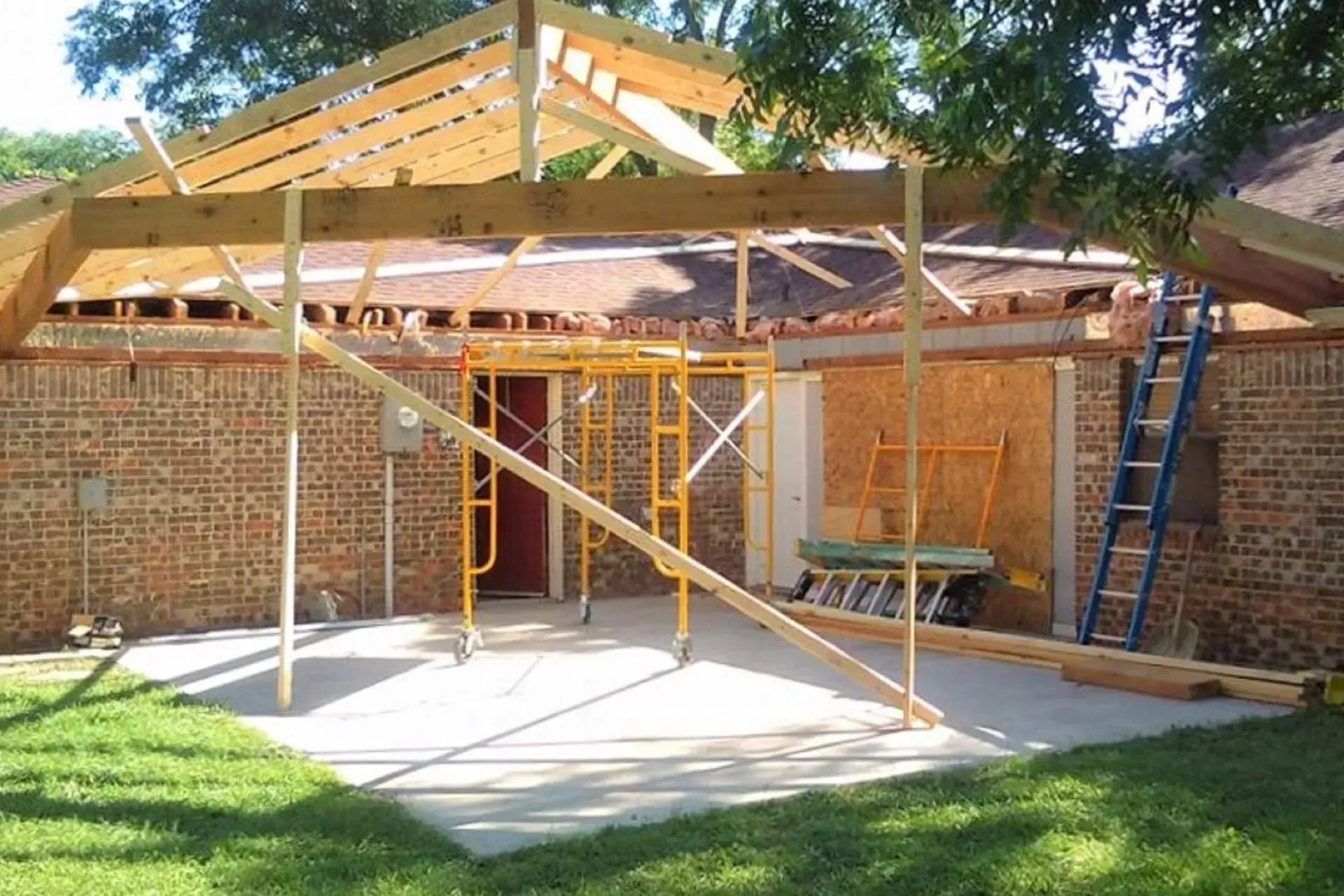
House under construction with brick walls, roof framing, scaffolding, and a ladder in a yard
By Cooper Esslinger • March 22, 2026
Whole-home remodel budgets usually jump when kitchens, bathrooms, layout changes, and hidden conditions stack together. Use this guide to plan scope, timeline, and pricing before design starts.
Wooden staircase with open treads and a central gap, viewed from above in a bright white interior.
By Cooper Esslinger • March 18, 2026
Second-story additions can solve space limits without expanding the footprint, but they also bring higher structural risk, longer timelines, and more coordination. Use this guide to plan budget, scope, and permit expectations.

Hands, calculator, and house model over paperwork, illustrating calculation.
By Cooper Esslinger • March 14, 2026
Explore ADU costs in Sonoma County, including typical budget ranges, price per square foot, and the key factors that influence your total project cost.
Two construction workers in hard hats review plans on a wall at a job site.
By Cooper Esslinger • February 17, 2026
The lowest bid rarely tells you who will run the cleanest project. Use this guide to compare scope quality, license status, communication, and timeline realism.
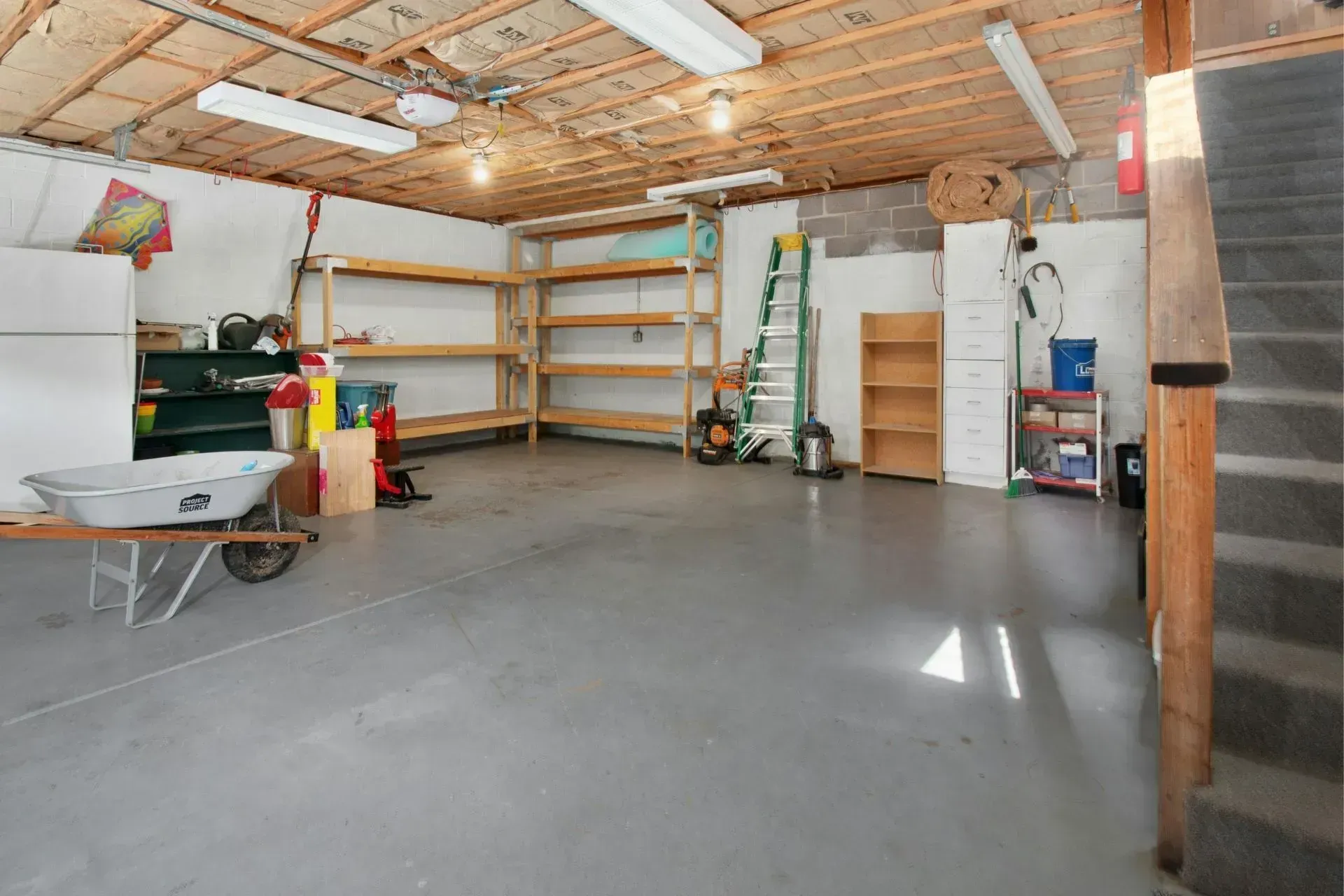
Empty garage
By Cooper Esslinger • February 16, 2026
Garage conversions look simple until slab, utility, ceiling, and code issues say otherwise. Use this checklist to test feasibility before design money starts going out the door.
Permit document with rolled blueprints on architectural plans.
By Cooper Esslinger • February 14, 2026
Plan your Sonoma County ADU permit path with clear steps by jurisdiction, realistic timeline expectations, fee categories, setback baselines, and city-specific notes.
Bright open-concept living room with beige sectional, patterned rug, and kitchen in background
By Cooper Esslinger • February 11, 2026
The better option usually depends less on square footage and more on how you plan to use the property, what the site allows, and how much disruption you can tolerate.
House model on blueprint with four colored pencils nearby
By Cooper Esslinger • January 25, 2026
This is the broad planning guide for Sonoma County homeowners deciding where to spend, what drives ROI, and where remodels usually go sideways before construction starts.
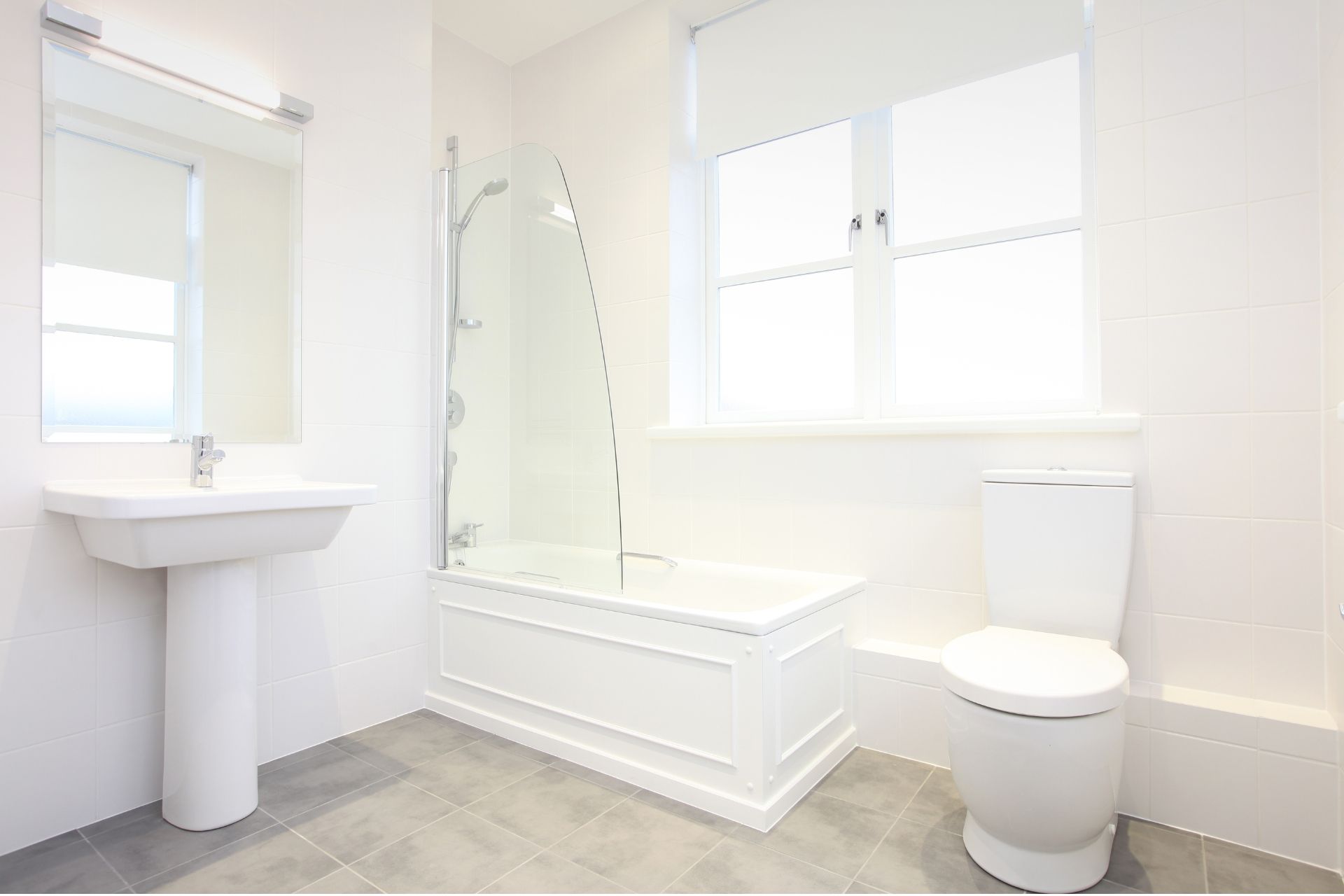
Bright white bathroom with pedestal sink, tub, toilet, large window, and gray tile floor
By Cooper Esslinger • January 22, 2026
The right bathroom contractor should be able to explain waterproofing, ventilation, scope detail, and documentation before talking finishes or fixtures.
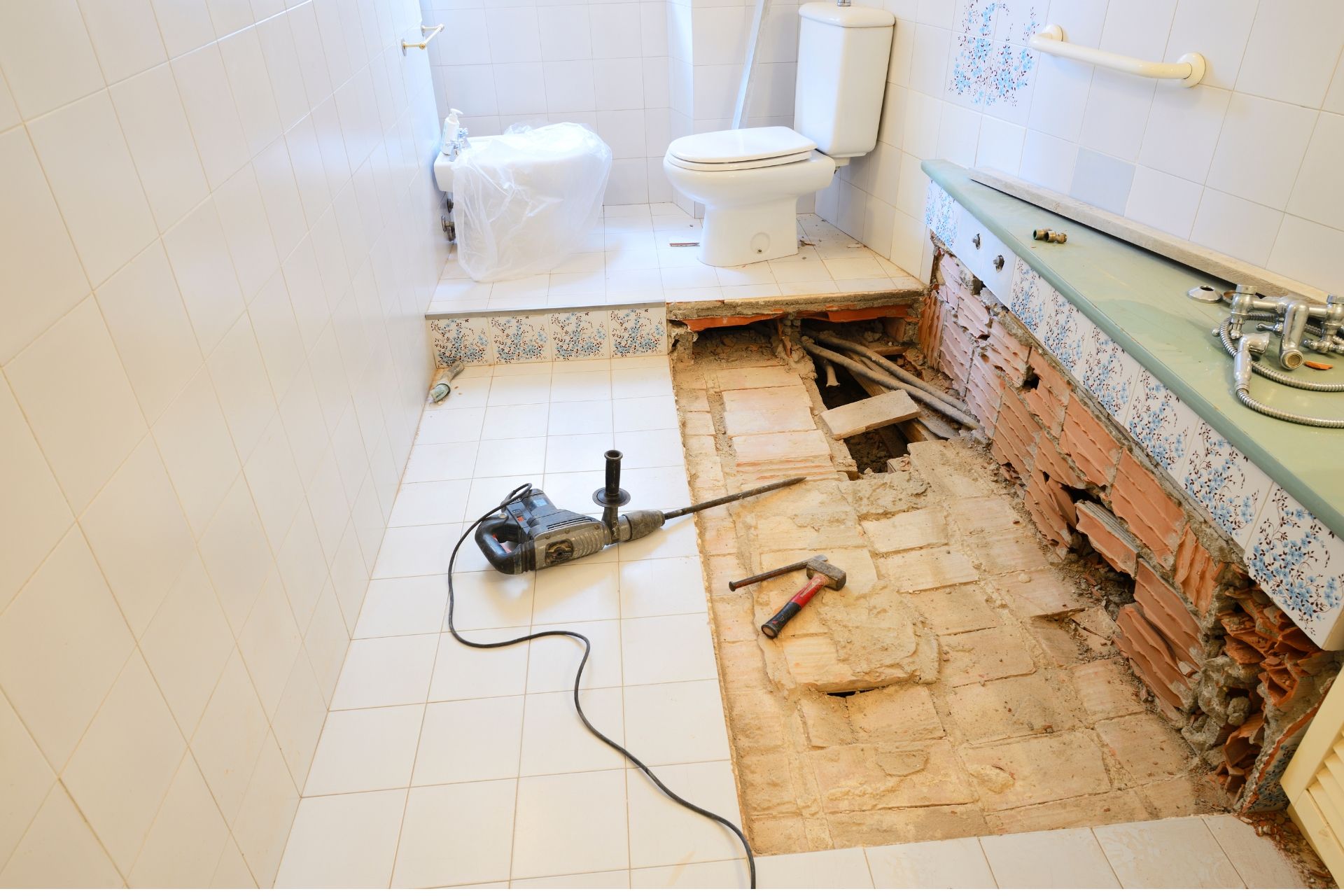
Bathroom under renovation with exposed floor and tools.
By Cooper Esslinger • January 20, 2026
Avoid costly bathroom remodel mistakes in Sonoma County by getting layout, ventilation, waterproofing, and permit decisions right before construction starts.