Bathroom Remodel Mistakes Sonoma County Homeowners Make and How to Avoid Them
Cooper Esslinger • January 20, 2026

Avoid costly bathroom remodel mistakes in Sonoma County by getting layout, ventilation, waterproofing, and permit decisions right before construction starts.

Key Takeaway

  • Most bathroom remodeling regrets in Sonoma County come from decisions made behind the walls, not the finishes homeowners choose on the surface.
  • Skipping proper waterproofing, ventilation, or sequencing is one of the fastest ways to create hidden moisture damage and future repair costs.
  • Over customizing tile, layout, or fixtures can hurt resale value in Santa Rosa and surrounding markets, even if it feels personal today.
  • Bathrooms are one of the most common places where dry rot is discovered later, especially in older homes built before modern waterproofing standards.
  • The best way to avoid regret is working with a contractor who prioritizes systems, documentation, and long term durability, not just cosmetic upgrades.


Bathroom remodeling is one of the most rewarding upgrades you can make to a home in Sonoma County. It improves daily comfort, adds value, and can completely change how a house feels.


But it is also one of the easiest places to make expensive mistakes.


Unlike kitchens, bathroom problems often stay hidden. A remodel can look perfect for years, until moisture builds up, ventilation fails, or dry rot is discovered during a future inspection.


This guide covers the most common bathroom remodel mistakes Sonoma County homeowners regret, and how to avoid them before they become costly repairs or resale liabilities. If your project is a bathroom remodel Santa Rosa scope, these same failure points apply.


If you have not already read our foundational guide, start with Bathroom Remodeling Design Decisions That Protect Resale Value in Santa Rosa and Sonoma County

, which explains why buyers care more about what is built correctly behind the walls than trendy finishes.

Mistake 1: Treating Tile as Waterproofing


One of the most common homeowner misunderstandings is assuming tile is the waterproof barrier.


Tile is not waterproofing.


Grout is not waterproofing.


Caulk is not waterproofing.


These are surface finishes.


True waterproofing requires membranes, sealed transitions, properly sloped surfaces, and correct integration at drains and penetrations.


When waterproofing is treated as optional, moisture slowly migrates into framing, subfloors, and wall cavities.


That is how dry rot begins.


If you want to understand what happens when these failures are uncovered, read our process guide: What Happens Next When Dry Rot Is Found During a Remodel in Sonoma County


Mistake 2: Skipping Ventilation Upgrades


Ventilation is one of the most overlooked factors in bathroom remodeling.


Many older homes in Santa Rosa, Petaluma, and Windsor still rely on outdated exhaust fans, or none at all.


A beautiful remodel does not matter if moisture lingers in ceilings and wall cavities after every shower.


Common ventilation mistakes include:


  • Installing an undersized fan
  • Venting into an attic instead of outside
  • Poor placement that does not capture steam
  • No timer or humidity control to encourage use


Buyers may not ask about ventilation directly, but inspectors will notice moisture risk immediately.


Mistake 3: Rebuilding Too Quickly After Demolition


Homeowners want progress, and some crews want to move fast.


But rebuilding before areas are fully dry is one of the biggest reasons moisture problems return.


Bathrooms are enclosed spaces, and drying takes time.


If framing or cavities are still damp when new materials go in, the remodel becomes a moisture trap.


Our dry rot repair cost and timeline guide explains how delays and expanded scope often happen when moisture is missed early: Dry Rot Repair Costs, Timelines, and When Remodeling Is the Smarter Move


Mistake 4: Over Customizing for Personal Taste


Sonoma County buyers value timeless, functional bathrooms.


They do not want to inherit someone else’s highly specific design statement.


Common over customization regrets include:


  • Bold tile patterns that date quickly
  • Trend driven colors that narrow buyer appeal
  • Highly specific layouts that only work for one lifestyle
  • Built ins that reduce storage or flexibility


Bathrooms should feel clean, neutral, and broadly livable.


Personality can come through lighting and decor, not permanent finishes that are expensive to undo.


Mistake 5: Poor Layout and Clearance Planning


Buyers notice layout before they notice finishes.


A bathroom that feels cramped or awkward raises immediate red flags.


Layout mistakes include:


  • Door swings that collide with fixtures
  • Tight toilet clearances
  • Oversized vanities that reduce circulation
  • Showers that feel difficult to enter

In many Santa Rosa ranch homes, subtle layout corrections deliver more resale value than expensive materials.


Function always wins.


Mistake 6: Ignoring Storage and Daily Function


One of the most common regrets homeowners mention after a remodel is simple:


“It looks great, but it doesn’t work.”


Bathrooms need real storage.


Resale positive storage decisions include:


  • Vanities with deep drawers
  • Linen cabinets that do not block circulation
  • Recessed medicine cabinets for concealed storage


Buyers open drawers during showings. They want to know if the bathroom actually supports daily life.


Mistake 7: Choosing Materials That Do Not Hold Up


Bathrooms are high moisture environments.


Materials need to tolerate water, steam, and daily use.


Common durability mistakes include:


  • Cheap flooring that swells or lifts
  • Fixtures that fail early
  • Grout heavy designs that require constant maintenance


The best resale bathrooms feel solid, clean, and easy to maintain.


Mistake 8: Ignoring the Connection to Dry Rot Risk


Dry rot is not separate from bathroom remodeling.


It is often the result of:


  • Poor waterproofing
  • Inadequate ventilation
  • Rushed sequencing
  • Rebuilding before drying is complete
  • Lack of documentation


Bathrooms are one of the most common places where dry rot is discovered because water exposure is constant and problems remain hidden for years.


If you want to understand the issue from start to finish, these three articles walk through the full dry rot process:


A bathroom remodel protects resale value only when moisture pathways are controlled from the start.


Mistake 9: Failing to Document the Work


Even perfectly executed remodels can lose value if there is no proof.


Resale protective documentation includes:


  • Photos during demolition and waterproofing
  • Written scopes explaining what was replaced
  • Invoices from licensed trades
  • Inspection records when applicable


Documentation turns a buyer concern into buyer confidence.


Mistake 10: Hiring Based on Price Instead of Process


Bathrooms are not cosmetic projects.


They require sequencing, waterproofing knowledge, ventilation planning, and structural awareness.


A qualified contractor should be able to explain:


  • Waterproofing system choices
  • Ventilation strategy
  • Drying and sequencing phases
  • How hidden damage is handled
  • What documentation will be provided


The right contractor prevents regret before it happens.


For a complete guide on vetting contractors, see How to Choose the Right Bathroom Remodel Contractor in Sonoma County.
Final Thoughts

Bathroom remodeling mistakes are rarely about choosing the wrong tile.


They are usually about skipping the systems that keep the bathroom dry, durable, and resale safe.


The homeowners who are happiest years later are the ones who:


  • Prioritize waterproofing and ventilation
  • Avoid over customized design decisions
  • Plan layouts for real daily function
  • Document repairs and rebuilds clearly
  • Work with contractors who build correctly behind the walls


A bathroom remodel should not just look beautiful on day one.


It should hold up under inspection, protect property value, and eliminate future moisture and dry rot risk.


If you are planning a bathroom remodel in Sonoma County, the smartest investment is doing it right the first time.

Planning a bathroom remodel in Sonoma County and want to avoid the mistakes that lead to regret? Reach out. I’ll help you understand what decisions matter most for waterproofing, ventilation, and long term value, no pressure, just clarity.


Talk to Cooper

Planning a bathroom remodel in Sonoma County and want to avoid the mistakes that lead to regret? Reach out. I’ll help you understand what decisions matter most for waterproofing, ventilation, and long term value, no pressure, just clarity.

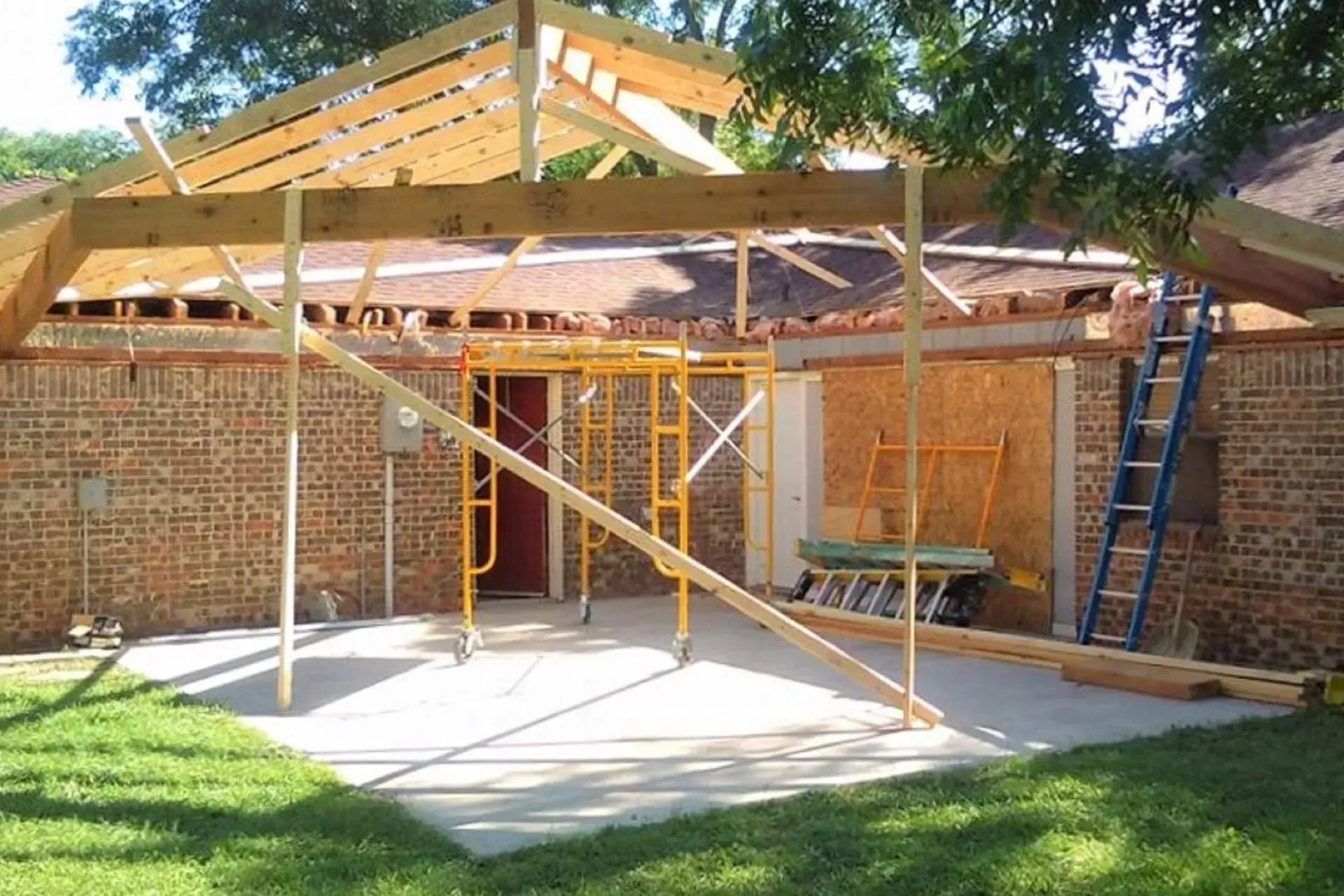
House under construction with brick walls, roof framing, scaffolding, and a ladder in a yard
By Cooper Esslinger • March 22, 2026
Whole-home remodel budgets usually jump when kitchens, bathrooms, layout changes, and hidden conditions stack together. Use this guide to plan scope, timeline, and pricing before design starts.
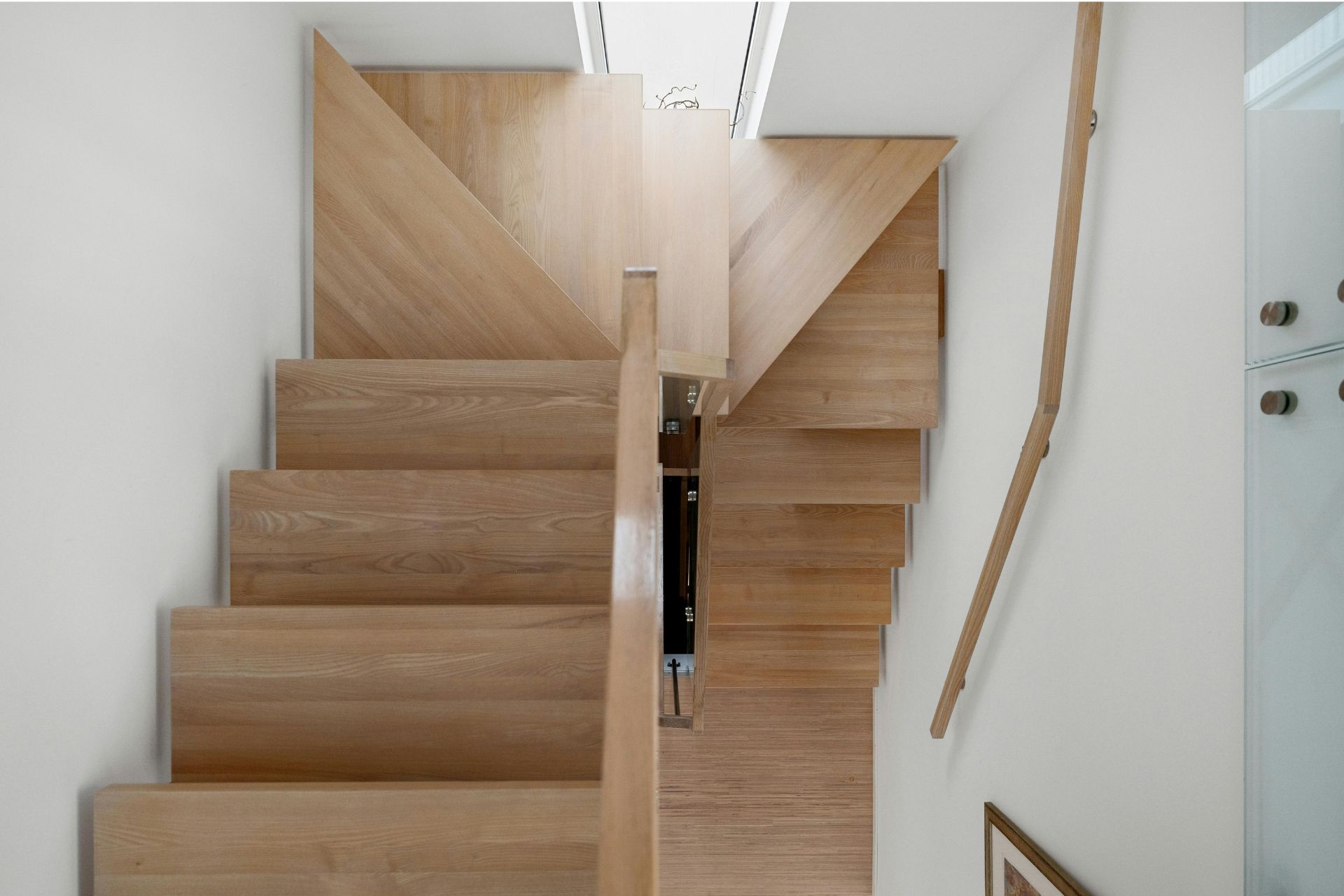
Wooden staircase with open treads and a central gap, viewed from above in a bright white interior.
By Cooper Esslinger • March 18, 2026
Second-story additions can solve space limits without expanding the footprint, but they also bring higher structural risk, longer timelines, and more coordination. Use this guide to plan budget, scope, and permit expectations.
Hands, calculator, and house model over paperwork, illustrating calculation.
By Cooper Esslinger • March 14, 2026
Explore ADU costs in Sonoma County, including typical budget ranges, price per square foot, and the key factors that influence your total project cost.
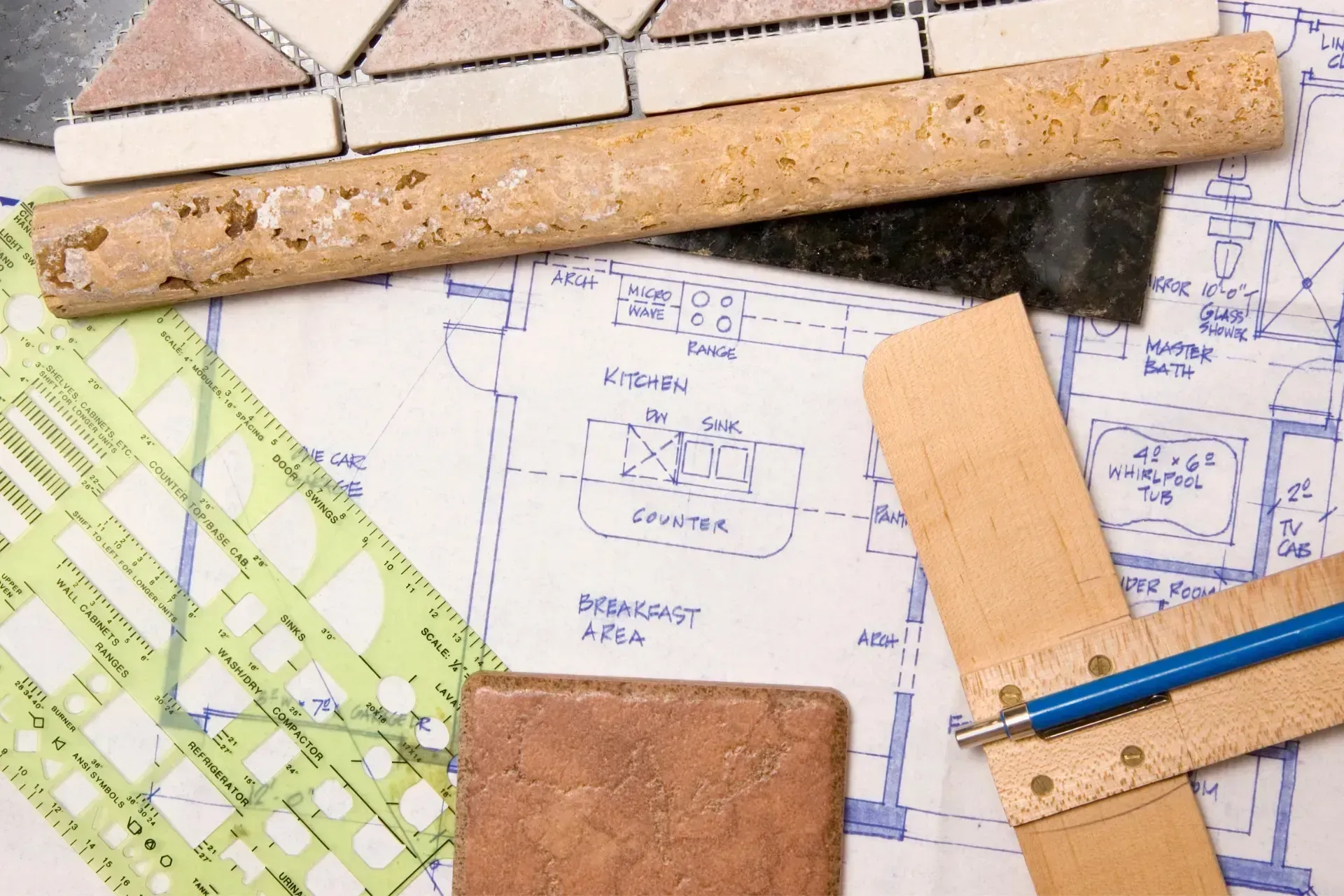
Blueprints with tile samples, cork ruler, and pencil on a drafting table
By Cooper Esslinger • March 10, 2026
Home addition budgets climb fast when structure, systems, and permit complexity stack together. Use this guide to plan realistic pricing, timing, and scope before design starts.
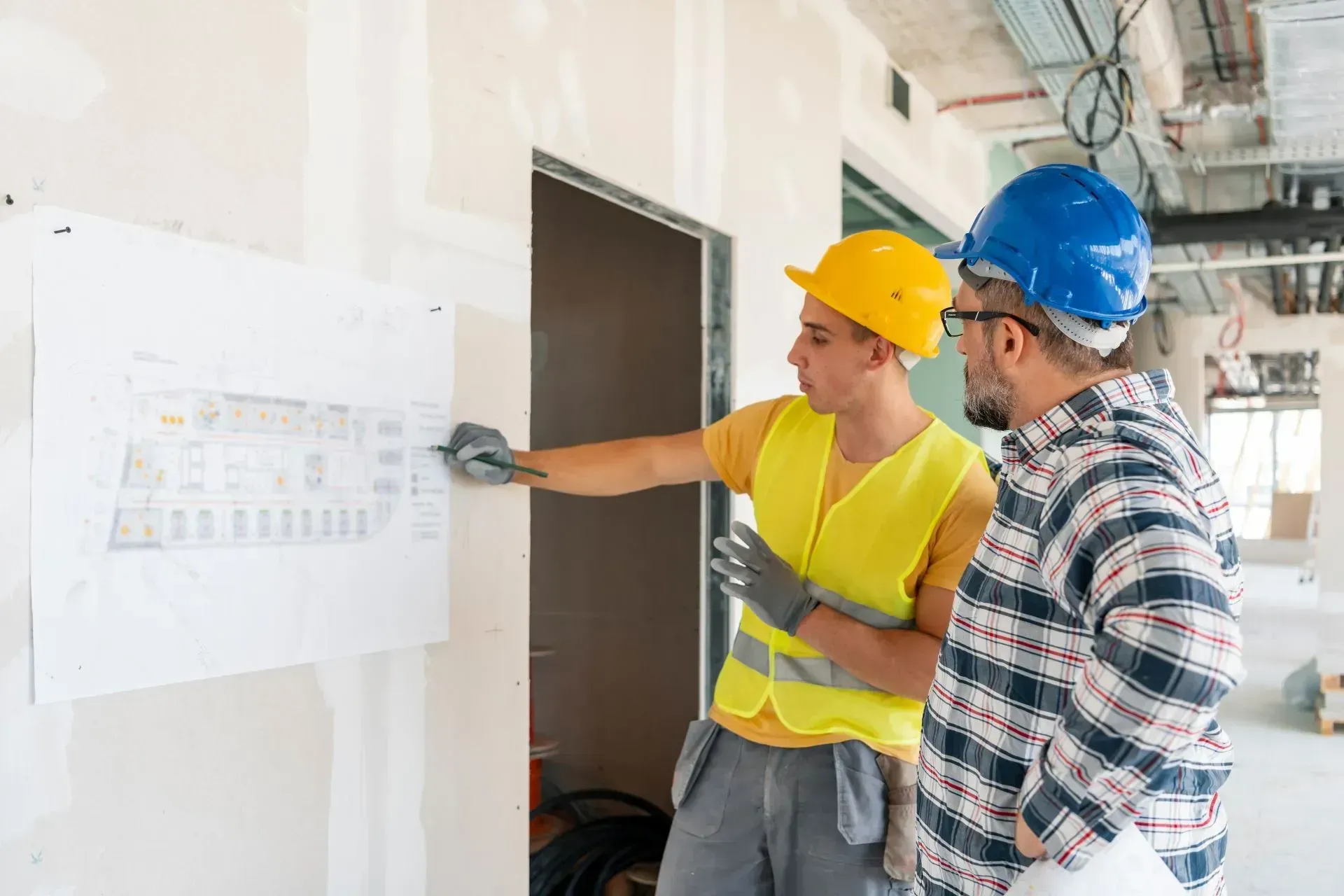
Two construction workers in hard hats review plans on a wall at a job site.
By Cooper Esslinger • February 17, 2026
The lowest bid rarely tells you who will run the cleanest project. Use this guide to compare scope quality, license status, communication, and timeline realism.
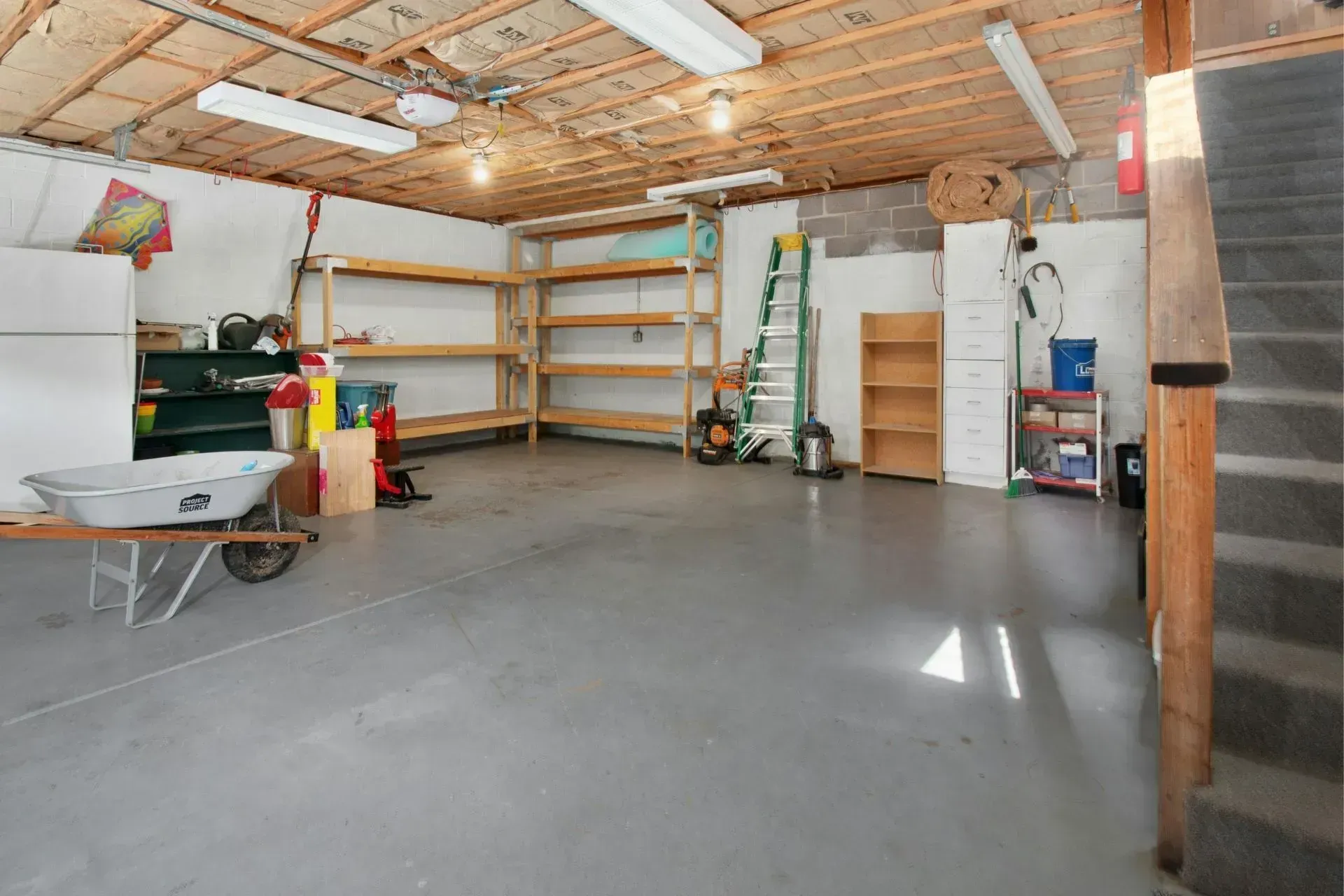
Empty garage
By Cooper Esslinger • February 16, 2026
Garage conversions look simple until slab, utility, ceiling, and code issues say otherwise. Use this checklist to test feasibility before design money starts going out the door.
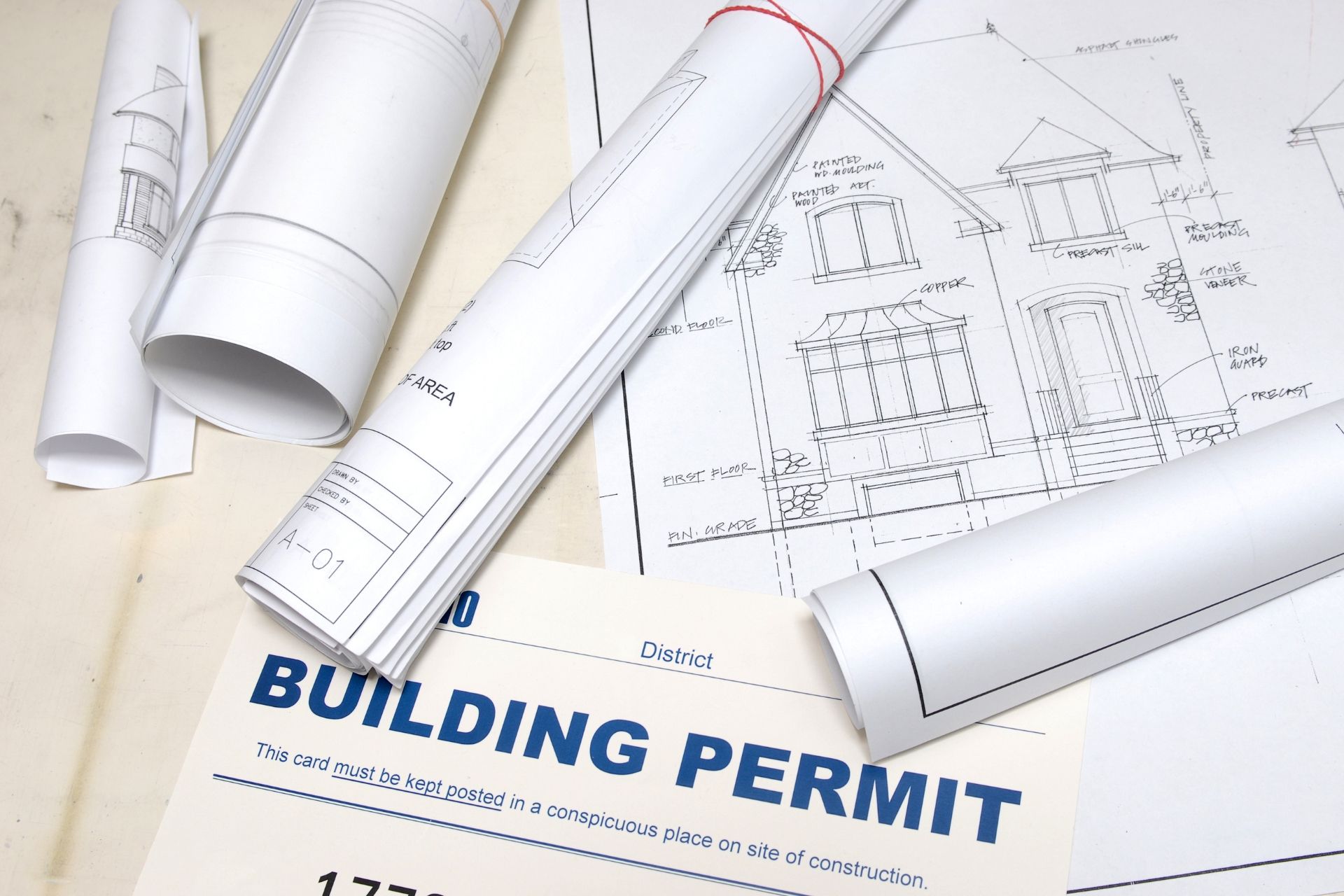
Permit document with rolled blueprints on architectural plans.
By Cooper Esslinger • February 14, 2026
Plan your Sonoma County ADU permit path with clear steps by jurisdiction, realistic timeline expectations, fee categories, setback baselines, and city-specific notes.
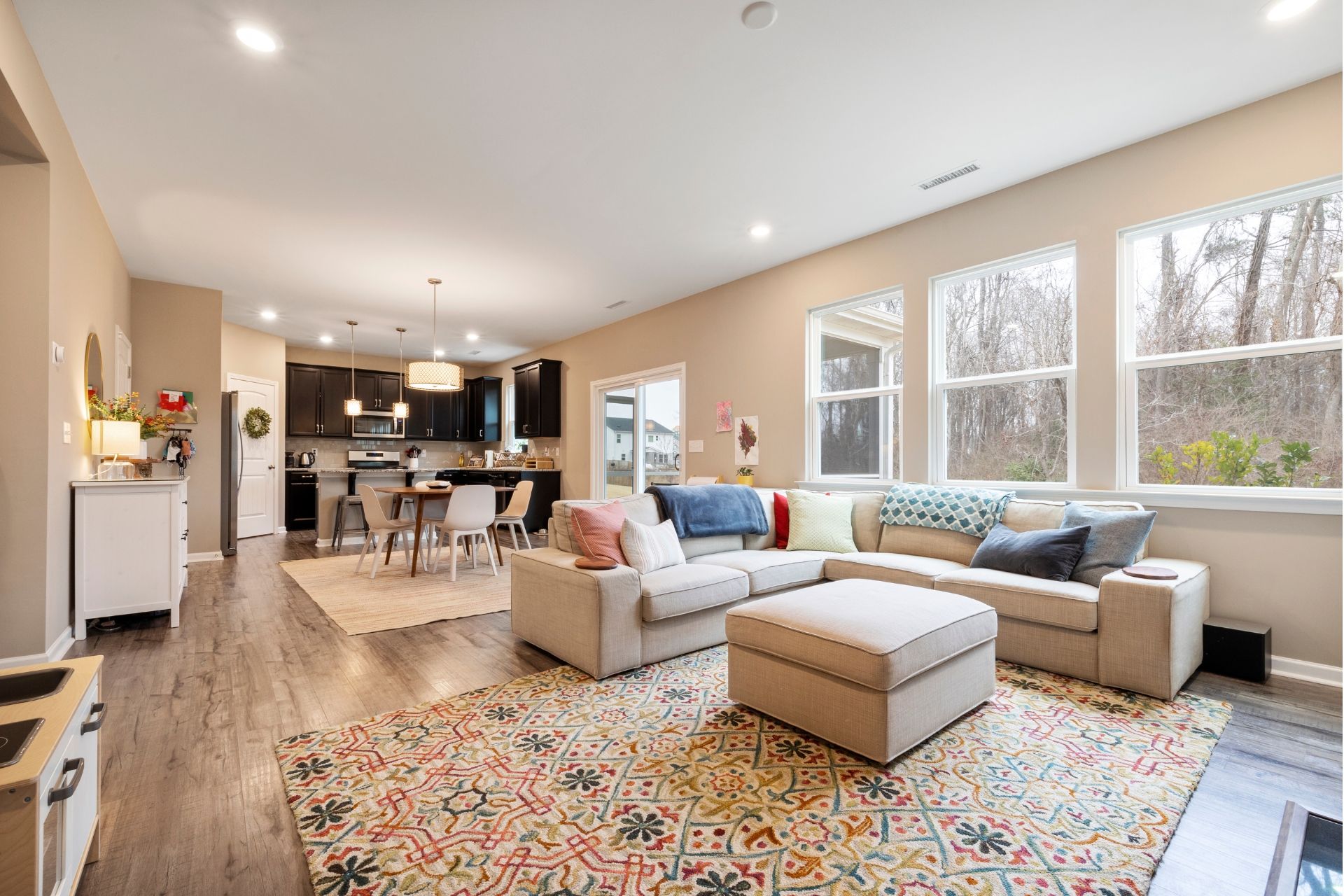
Bright open-concept living room with beige sectional, patterned rug, and kitchen in background
By Cooper Esslinger • February 11, 2026
The better option usually depends less on square footage and more on how you plan to use the property, what the site allows, and how much disruption you can tolerate.
House model on blueprint with four colored pencils nearby
By Cooper Esslinger • January 25, 2026
This is the broad planning guide for Sonoma County homeowners deciding where to spend, what drives ROI, and where remodels usually go sideways before construction starts.
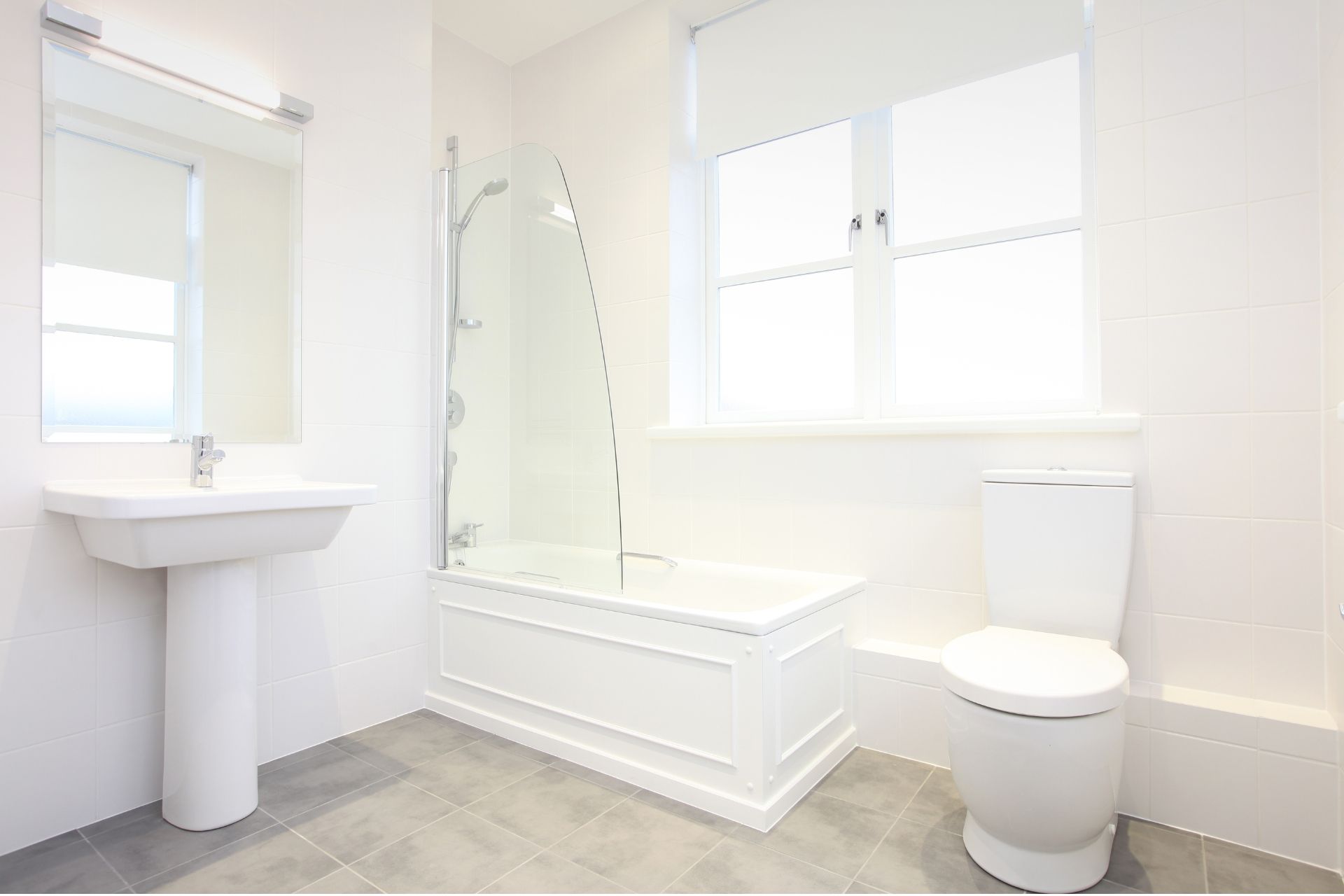
Bright white bathroom with pedestal sink, tub, toilet, large window, and gray tile floor
By Cooper Esslinger • January 22, 2026
The right bathroom contractor should be able to explain waterproofing, ventilation, scope detail, and documentation before talking finishes or fixtures.