General Contractors in Sonoma County: How to Compare Bids, Licenses, and Timelines
Cooper Esslinger • February 17, 2026

The lowest bid rarely tells you who will run the cleanest project. Use this guide to compare scope quality, license status, communication, and timeline realism.

Key Takeaway

  • When comparing general contractors in Sonoma County, the clearest scope and process controls usually outperform the lowest bid.
  • License and insurance checks are table stakes. The real difference is how each contractor handles plan clarity, sequencing, and change orders.
  • Most project delays start before construction, with incomplete plans, unclear assumptions, and weak permit preparation.
  • You can compare bids objectively by normalizing scope line items, allowances, exclusions, and schedule milestones.
  • For homeowners in Santa Rosa and across Sonoma County, strong preconstruction planning is the fastest path to fewer surprises.


If you are searching for general contractors in Sonoma County, you are usually trying to answer one practical question: who can actually deliver this project without budget blowups and timeline chaos?


This guide is designed to help you evaluate contractors on execution quality, not just sales presentation.


It applies whether you are planning a kitchen remodel, bathroom remodel, ADU conversion, or home addition. If you need scope-specific guidance, also review our kitchen contractor guide, bathroom contractor guide, and ADU vs home addition breakdown.

Step 1: Verify License and Insurance First


Before discussing design choices or pricing, confirm baseline legal and risk requirements:


  • Active California CSLB license
  • Correct license classification for your scope
  • General liability coverage
  • Workers’ compensation coverage when employees are involved


Use the official CSLB Check a License tool for verification.


This is not the deciding factor between good contractors and great contractors, but it is the first filter. If this step fails, stop there.


Step 2: Compare Scope Quality, Not Just Total Price


Many homeowners comparing contractors Sonoma County bids look at the total number first. That usually creates false comparisons.

A lower proposal can simply mean missing scope.


What a High-Quality Bid Should Include


  • Clear line items for demolition, rough-in, finishes, and closeout
  • Defined allowances with realistic numbers
  • Explicit exclusions (what is not included)
  • Permit/inspection responsibilities
  • Change-order process and pricing method


If two bids are priced far apart, the issue is often scope mismatch rather than labor rate differences.


Step 3: Normalize Every Bid Before You Decide


Create a simple comparison grid and force each contractor into the same structure:


  1. Use the same project assumptions for all bidders.
  2. Break pricing into matching categories.
  3. Mark allowances and exclusions side by side.
  4. Identify contingency assumptions.
  5. Compare timeline milestones using identical start conditions.


This step is where most expensive mistakes are prevented.


Step 4: Evaluate Timeline Realism


A fast promised completion date is meaningless if the preconstruction phase is weak.


In Sonoma County, schedule risk is commonly tied to:


  • Incomplete plan sets
  • Permit comment cycles
  • Trade sequencing conflicts
  • Late material decisions
  • Hidden conditions discovered after demolition


Ask each contractor to separate timeline phases clearly:


  • Preconstruction and design finalization
  • Permit review and revisions
  • On-site build sequence
  • Punch list and final sign-off


If you are specifically planning in city jurisdiction, this also matters for any general contractor Santa Rosa comparison because city-level review pace depends heavily on submittal completeness.


Step 5: Ask Process Questions That Expose Execution Quality


These questions reveal who can truly run your project:


  • How do you document assumptions before contract signing?
  • Who owns permit responses and revision cycles?
  • What is your weekly communication cadence?
  • How do you handle hidden-condition discoveries?
  • How are schedule slips and budget impacts reported?


Strong sonoma county general contractors answer these without vague language.


Step 6: Watch for Red Flags in Contractor Proposals


  • Lump-sum bid with minimal detail
  • Large verbal promises not reflected in writing
  • No clear allowance structure
  • Unrealistic schedule without milestone logic
  • Pressure to sign before scope alignment


None of these automatically means a bad contractor, but each one increases execution risk.


How This Applies by Project Type


Kitchen and Bathroom Remodels


For kitchen and bath scopes, most overruns come from unclear finish allowances, electrical/plumbing upgrades, and sequencing gaps. Use our related guides for project-type detail:


ADU and Home Addition Projects


For additions and ADUs, feasibility and permit strategy often determine outcomes before framing starts. Start with:

FAQ: General Contractors in Sonoma County

  • How many bids should I get?

    Usually 2 to 4 serious bids is enough. More than that can create noise unless your scope is highly standardized.

  • Is the lowest bid usually the best value?

    Not typically. The best value is the proposal with the strongest scope clarity, process controls, and realistic sequencing.

  • How do I compare contractors in Santa Rosa specifically?

    Use the same framework, but pay extra attention to submittal quality and permit response process because that can drive timeline outcomes.

  • What if one bid looks much higher than the others?

    Request a scope reconciliation meeting. In many cases, the higher bid includes work the lower bids excluded.

Final Thoughts

When homeowners compare general contractors in Sonoma County, the winning decision is rarely about who sounds most confident in the first meeting.

It is about who provides the clearest scope, the best risk controls, and the most realistic execution plan.


If you review bids with that lens, you will avoid most of the problems that make remodels expensive, stressful, and slow.

If you want help pressure-testing contractor bids before you sign, I can walk through your scope and assumptions so you can compare proposals clearly and avoid preventable change orders.

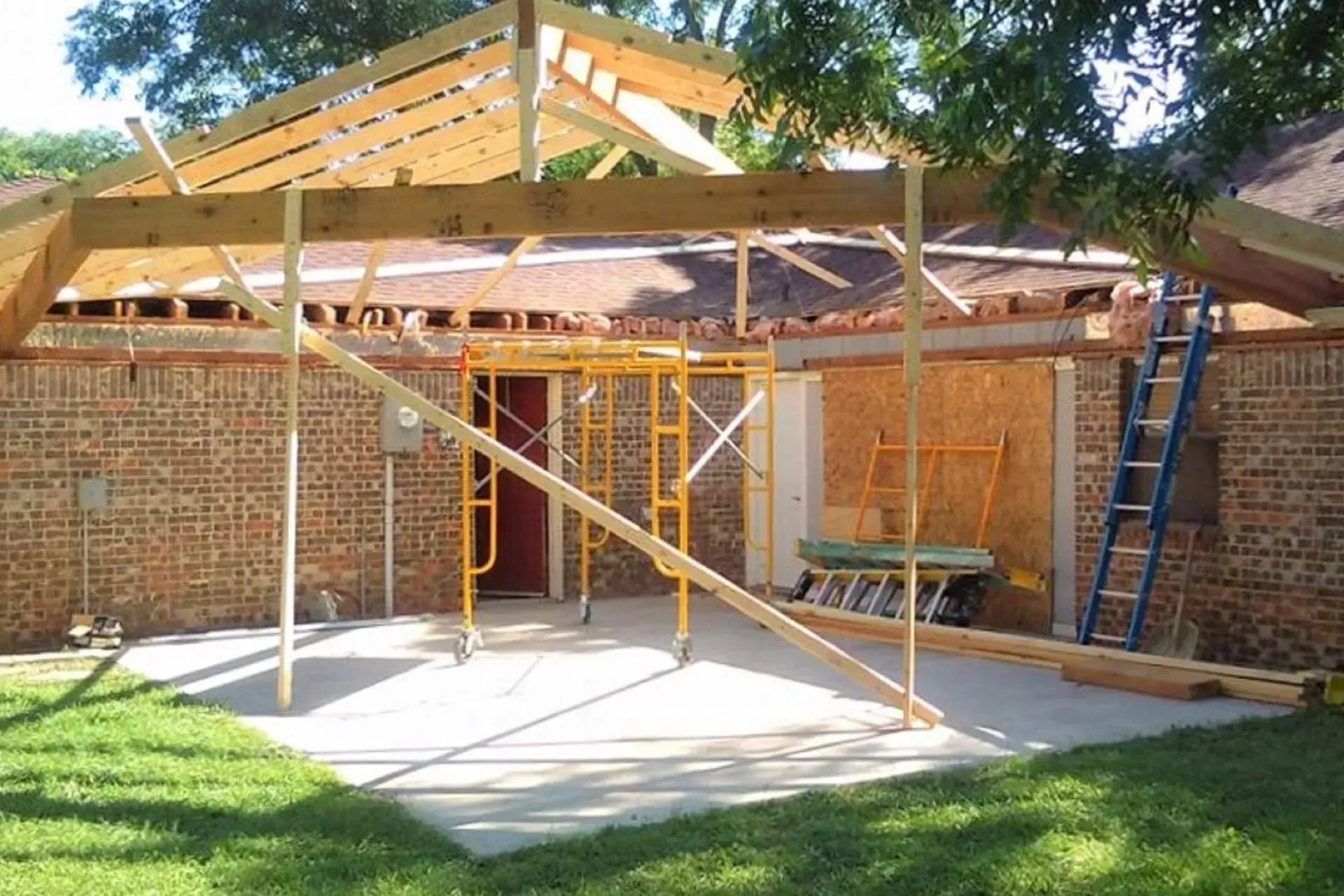
House under construction with brick walls, roof framing, scaffolding, and a ladder in a yard
By Cooper Esslinger • March 22, 2026
Whole-home remodel budgets usually jump when kitchens, bathrooms, layout changes, and hidden conditions stack together. Use this guide to plan scope, timeline, and pricing before design starts.
Wooden staircase with open treads and a central gap, viewed from above in a bright white interior.
By Cooper Esslinger • March 18, 2026
Second-story additions can solve space limits without expanding the footprint, but they also bring higher structural risk, longer timelines, and more coordination. Use this guide to plan budget, scope, and permit expectations.

Hands, calculator, and house model over paperwork, illustrating calculation.
By Cooper Esslinger • March 14, 2026
Explore ADU costs in Sonoma County, including typical budget ranges, price per square foot, and the key factors that influence your total project cost.

Blueprints with tile samples, cork ruler, and pencil on a drafting table
By Cooper Esslinger • March 10, 2026
Home addition budgets climb fast when structure, systems, and permit complexity stack together. Use this guide to plan realistic pricing, timing, and scope before design starts.
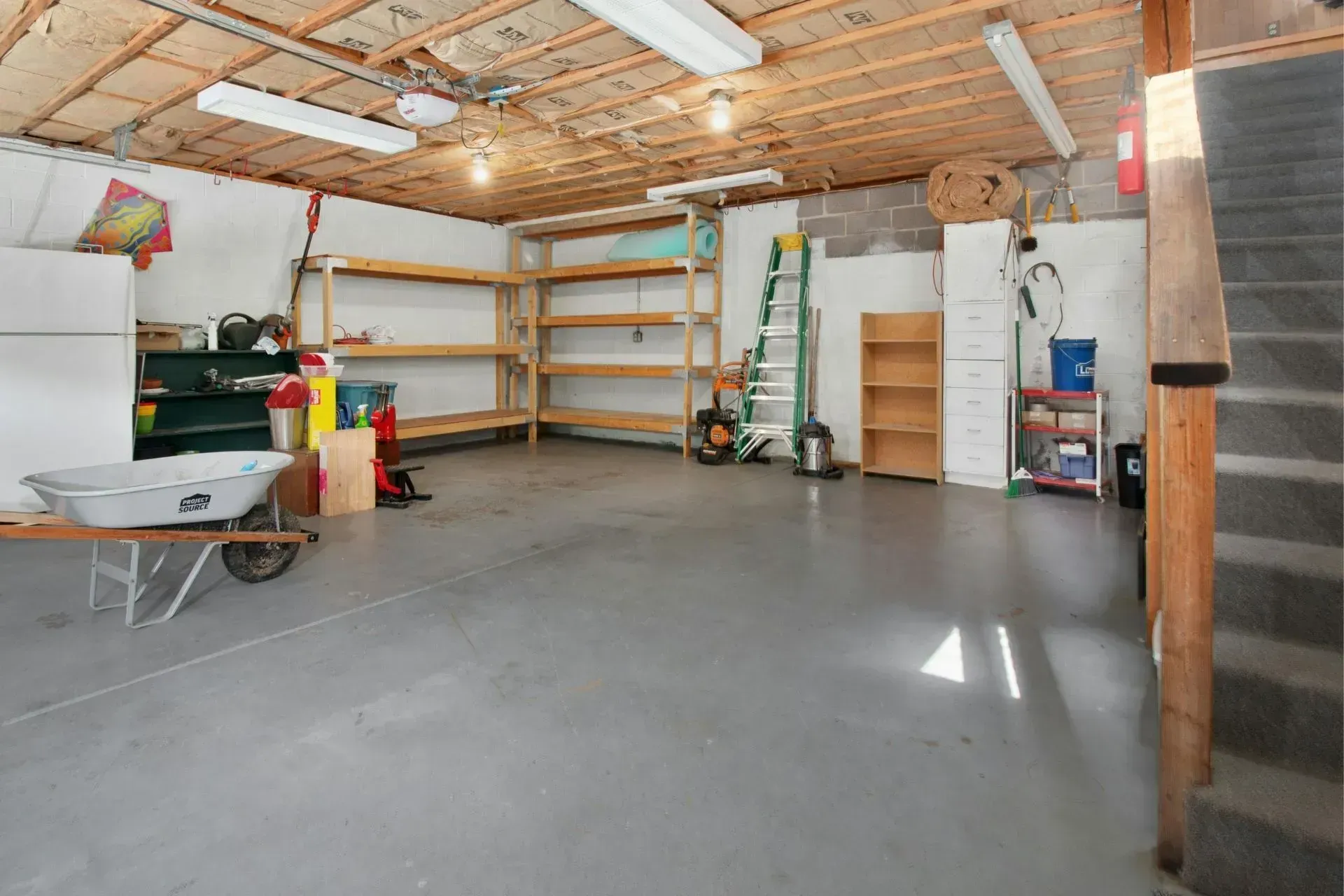
Empty garage
By Cooper Esslinger • February 16, 2026
Garage conversions look simple until slab, utility, ceiling, and code issues say otherwise. Use this checklist to test feasibility before design money starts going out the door.
Permit document with rolled blueprints on architectural plans.
By Cooper Esslinger • February 14, 2026
Plan your Sonoma County ADU permit path with clear steps by jurisdiction, realistic timeline expectations, fee categories, setback baselines, and city-specific notes.
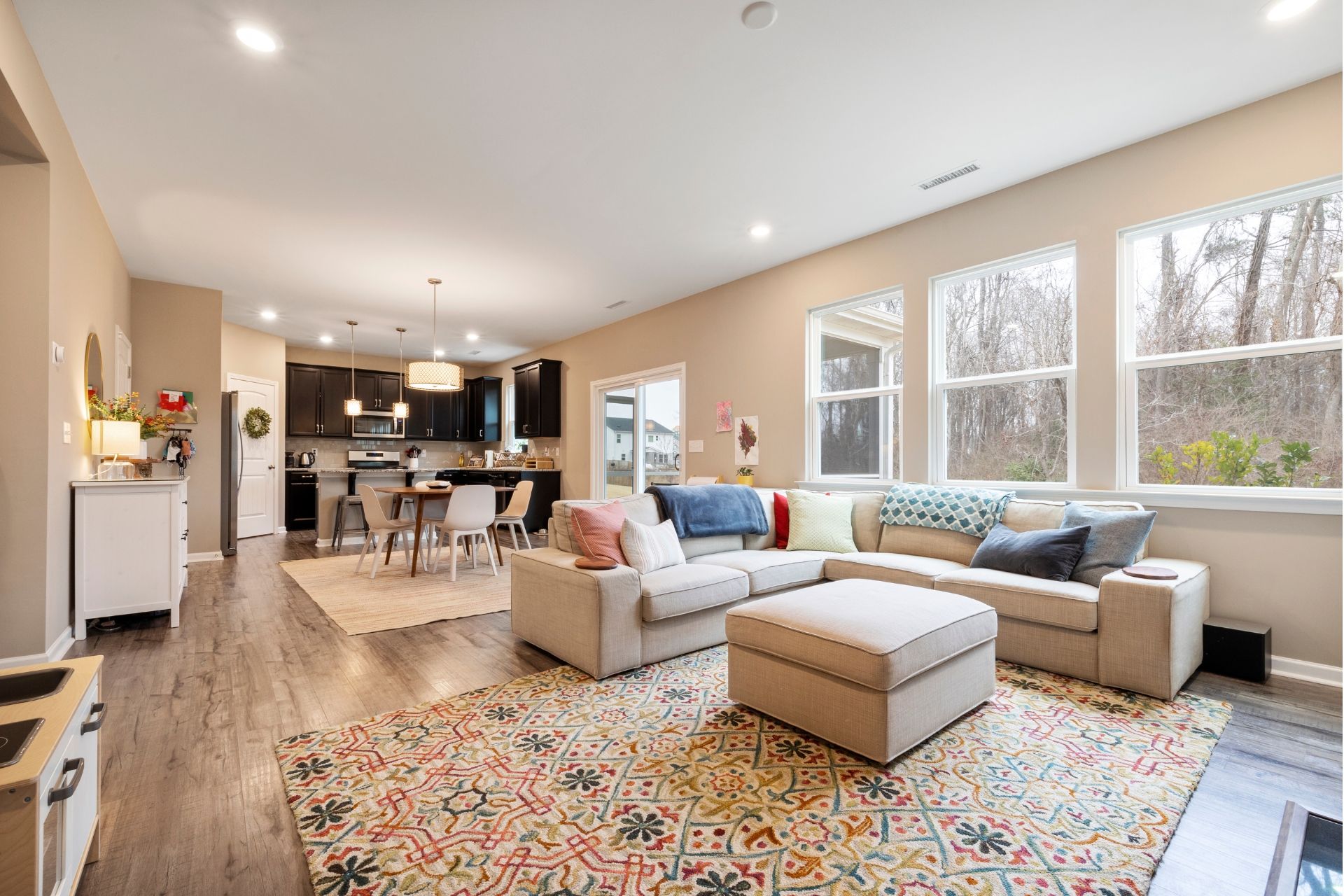
Bright open-concept living room with beige sectional, patterned rug, and kitchen in background
By Cooper Esslinger • February 11, 2026
The better option usually depends less on square footage and more on how you plan to use the property, what the site allows, and how much disruption you can tolerate.
House model on blueprint with four colored pencils nearby
By Cooper Esslinger • January 25, 2026
This is the broad planning guide for Sonoma County homeowners deciding where to spend, what drives ROI, and where remodels usually go sideways before construction starts.
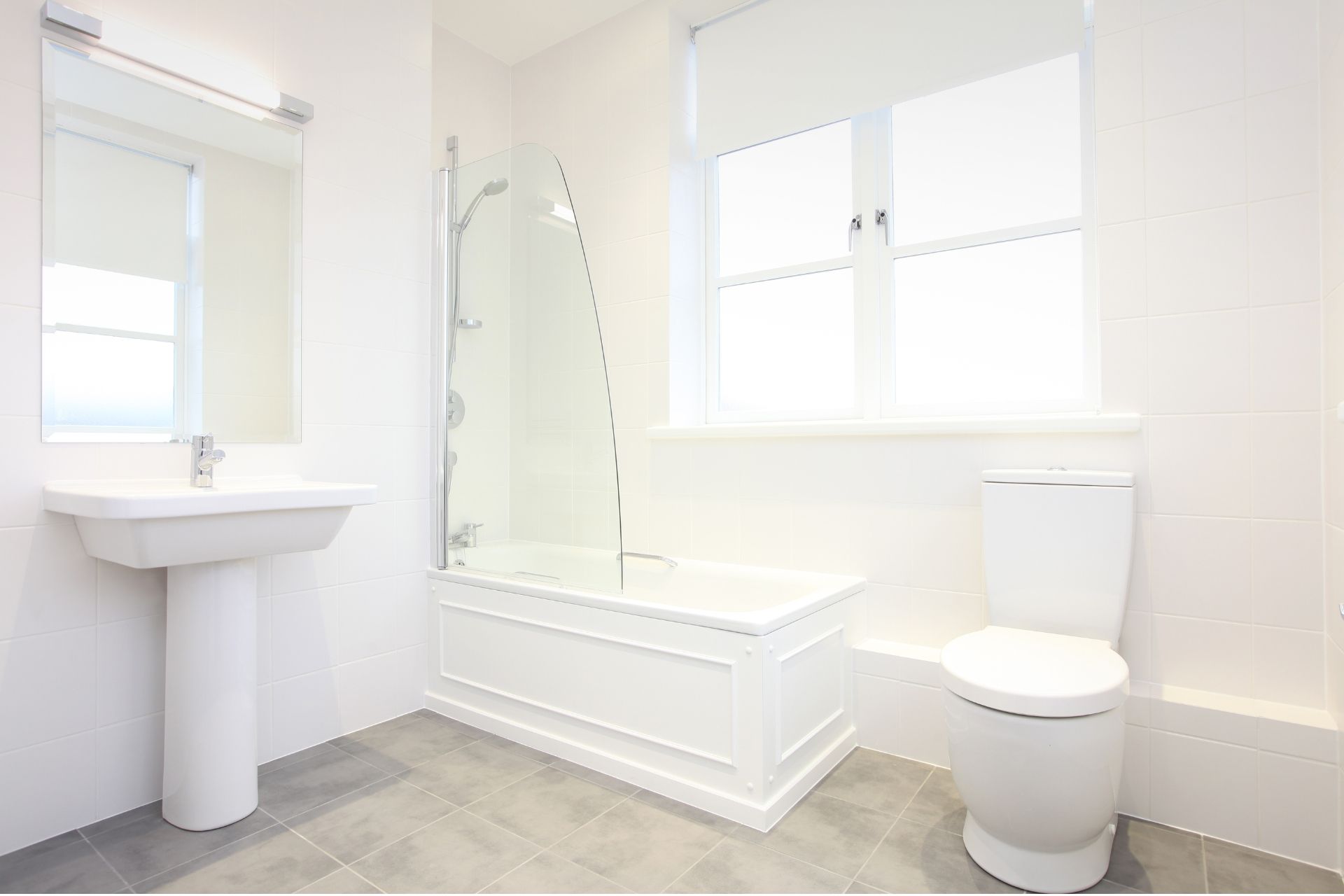
Bright white bathroom with pedestal sink, tub, toilet, large window, and gray tile floor
By Cooper Esslinger • January 22, 2026
The right bathroom contractor should be able to explain waterproofing, ventilation, scope detail, and documentation before talking finishes or fixtures.
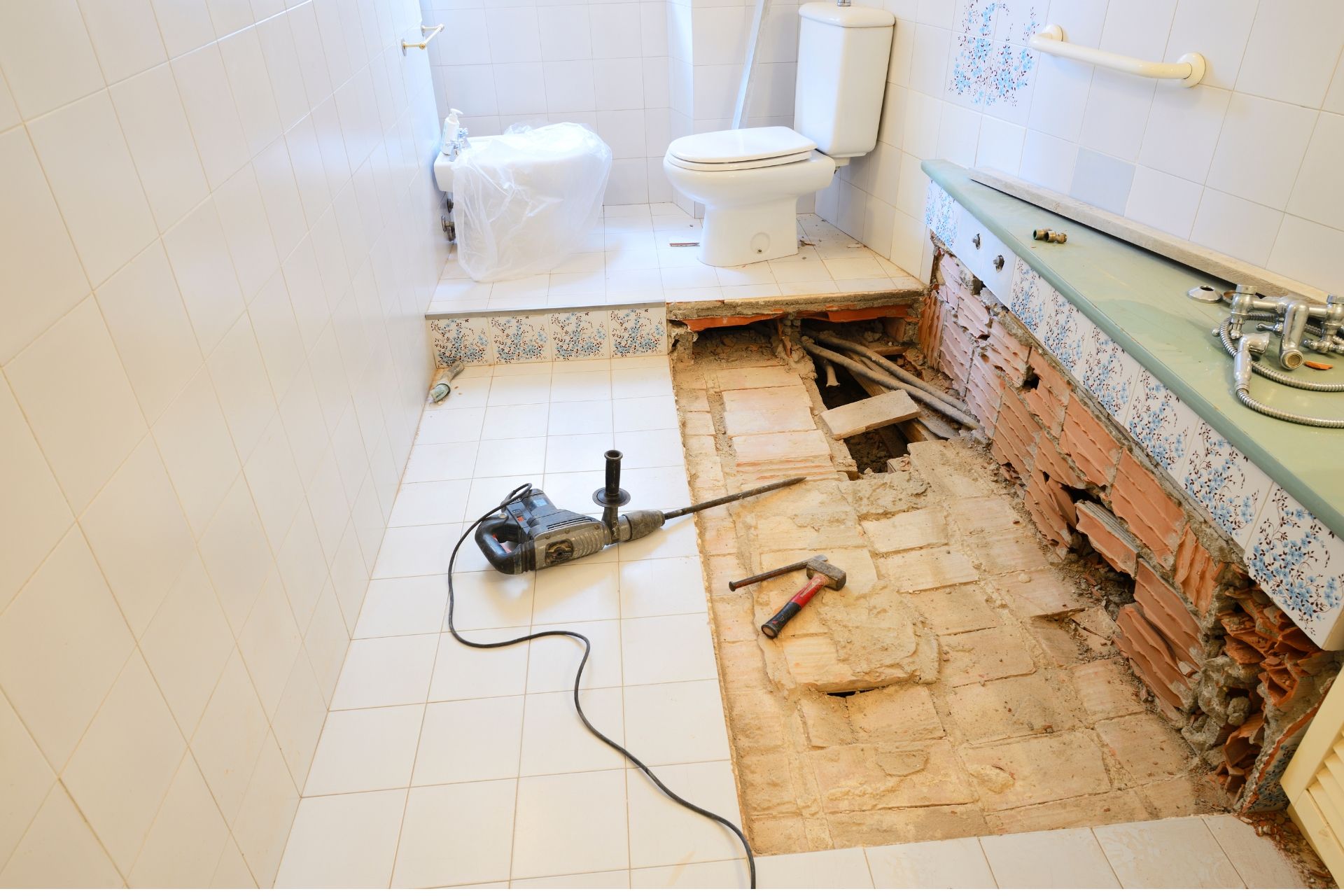
Bathroom under renovation with exposed floor and tools.
By Cooper Esslinger • January 20, 2026
Avoid costly bathroom remodel mistakes in Sonoma County by getting layout, ventilation, waterproofing, and permit decisions right before construction starts.