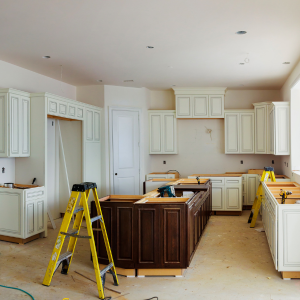
Main Steps and Considerations for a Kitchen or Bathroom Remodel in Santa Rosa
If you’re planning a kitchen remodel or bathroom remodel in Santa Rosa, these are the core steps that keep the project on track, protect your budget, and help the work hold up long after the finishes go in.
1. Define Your Goals
Be honest about what you want. Are you remodeling for resale value, daily comfort, long term function, or a mix of all three?
2. Set a Realistic Budget
Don’t budget like the walls are empty. Budget like you might uncover hidden water damage, outdated plumbing, or dry rot once demolition begins. That is common in older Sonoma County kitchens and bathrooms.
3. Hire a Qualified Remodeling Contractor
Choose someone with real experience remodeling homes in Sonoma County, and a clear process for documentation, sequencing, and system upgrades, not just surface level finish work.
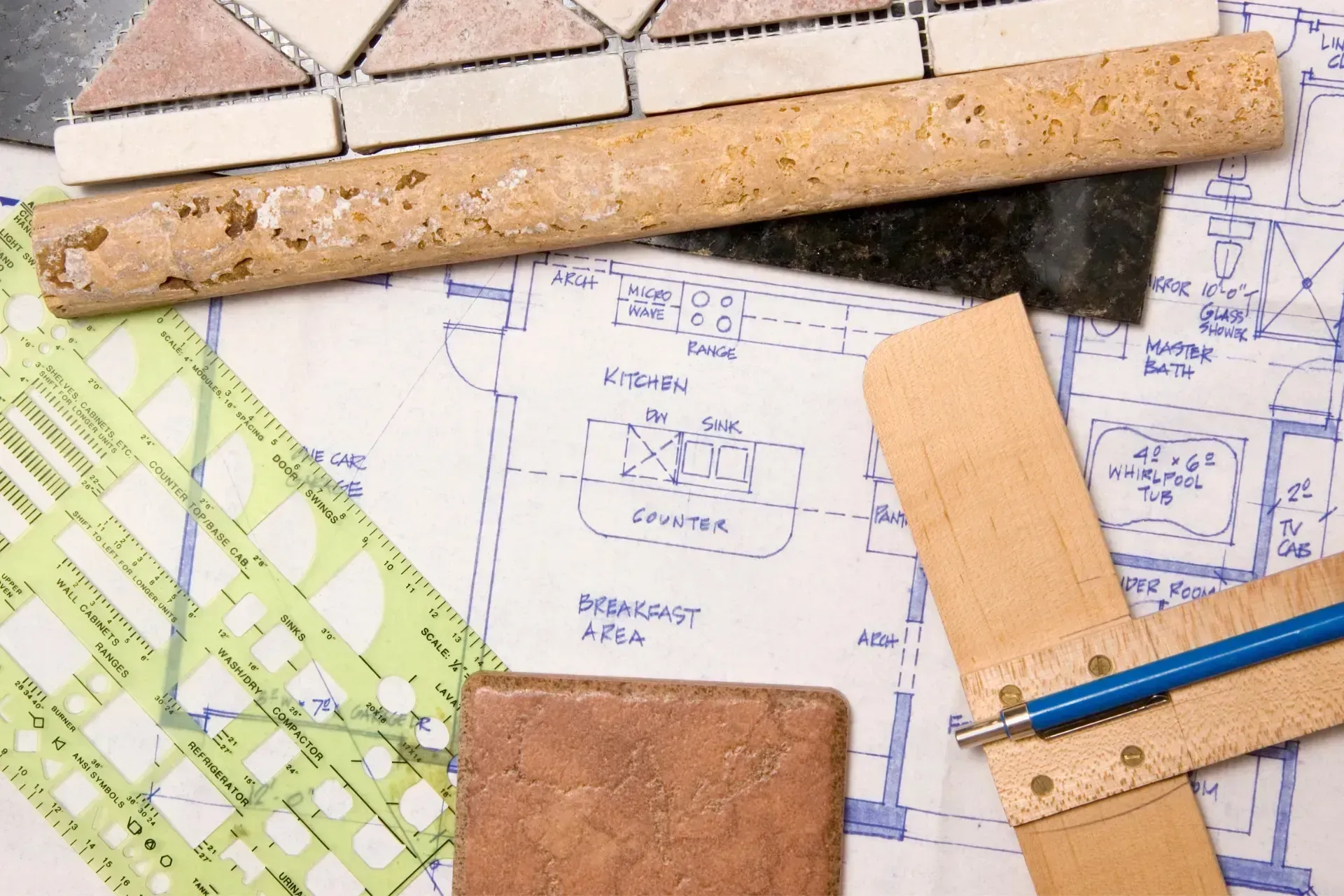
4. Plan the Layout
Layout is where kitchens and bathrooms win or lose. Workflow, storage, clearances, and how the space feels day to day matter more than trendy finishes.
A smart layout is one of the biggest drivers of long term value.
5. Address Key Systems
Both kitchens and bathrooms depend on the systems behind the walls.
Make sure waterproofing, ventilation, electrical, and plumbing upgrades are part of the plan from the start, not rushed add ons halfway through.
6. Understand Sequencing
Sequencing is the order the work happens. When it’s wrong, you get moisture traps, damaged finishes, delays, and expensive rework.
When it’s right, the remodel moves cleanly and holds up for decades.
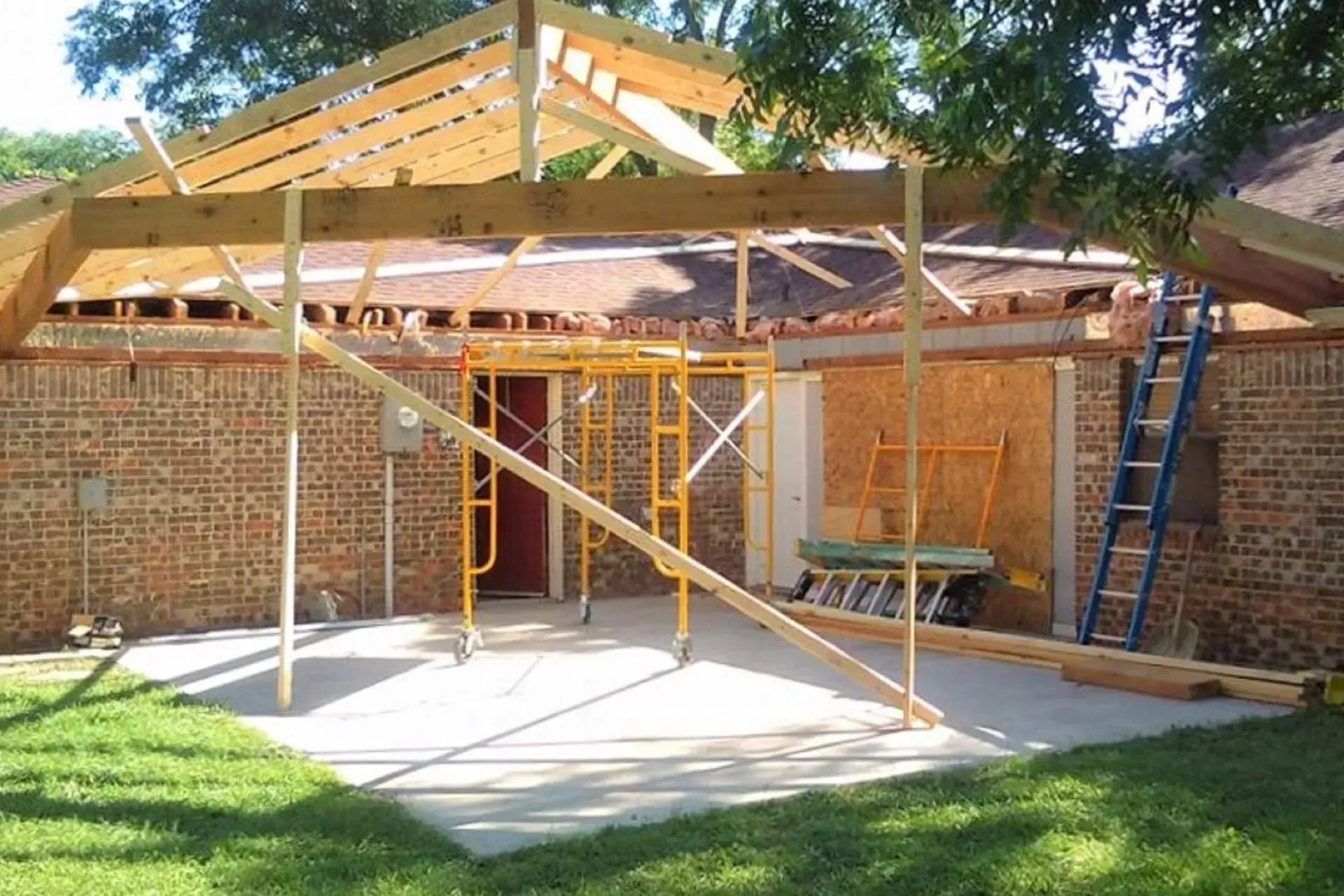
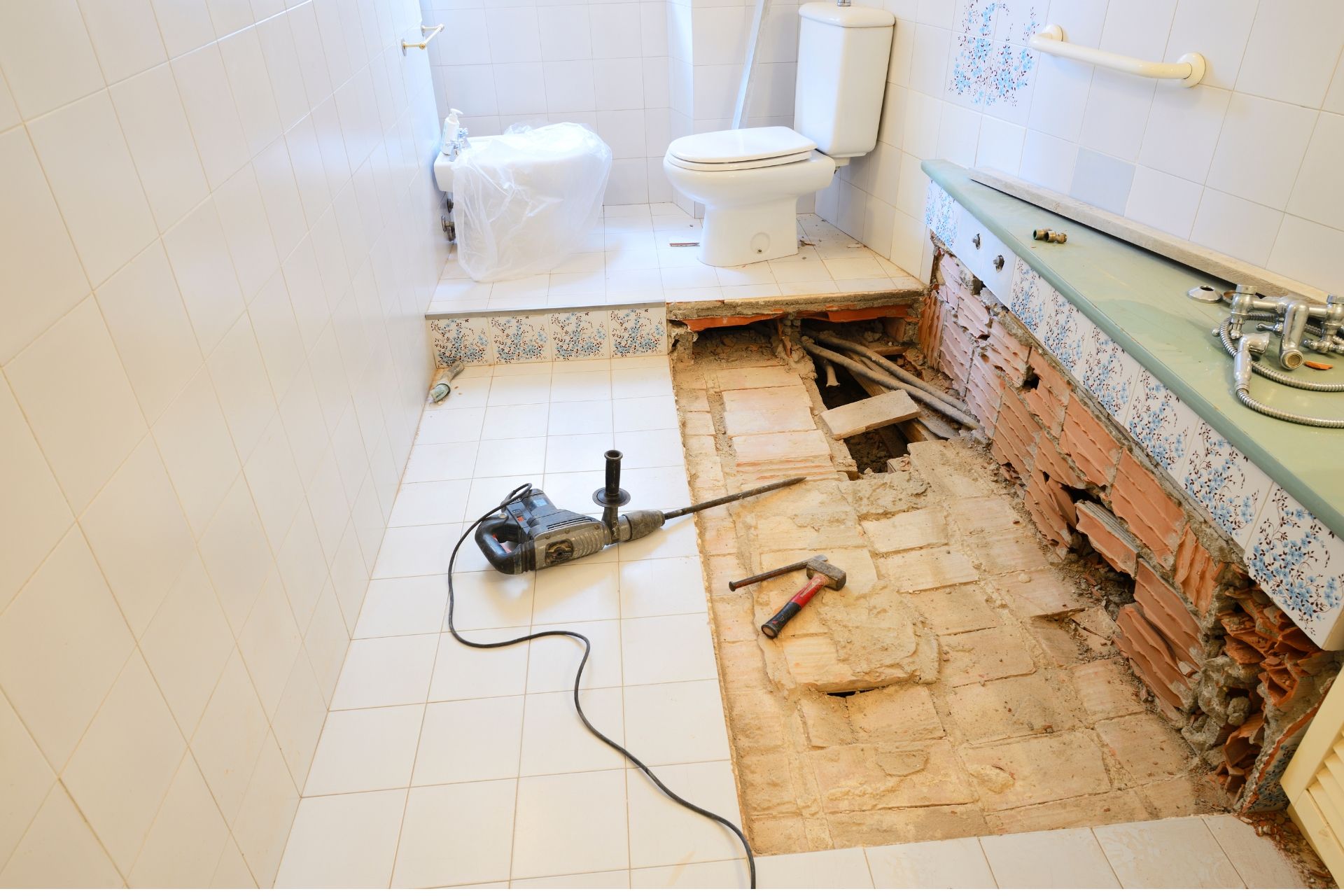
7. Prepare for Demolition
Be ready for the possibility of discovering dry rot, leaks, or structural issues once things are opened up.
That is not rare in older Santa Rosa, Petaluma, and Windsor homes.
8. Select Materials and Finishes
Choose materials that balance style, durability, and buyer appeal.
In kitchens, that may mean cabinets and countertops that feel solid and timeless. In bathrooms, it means finishes that hold up in high moisture environments and stay easy to maintain.
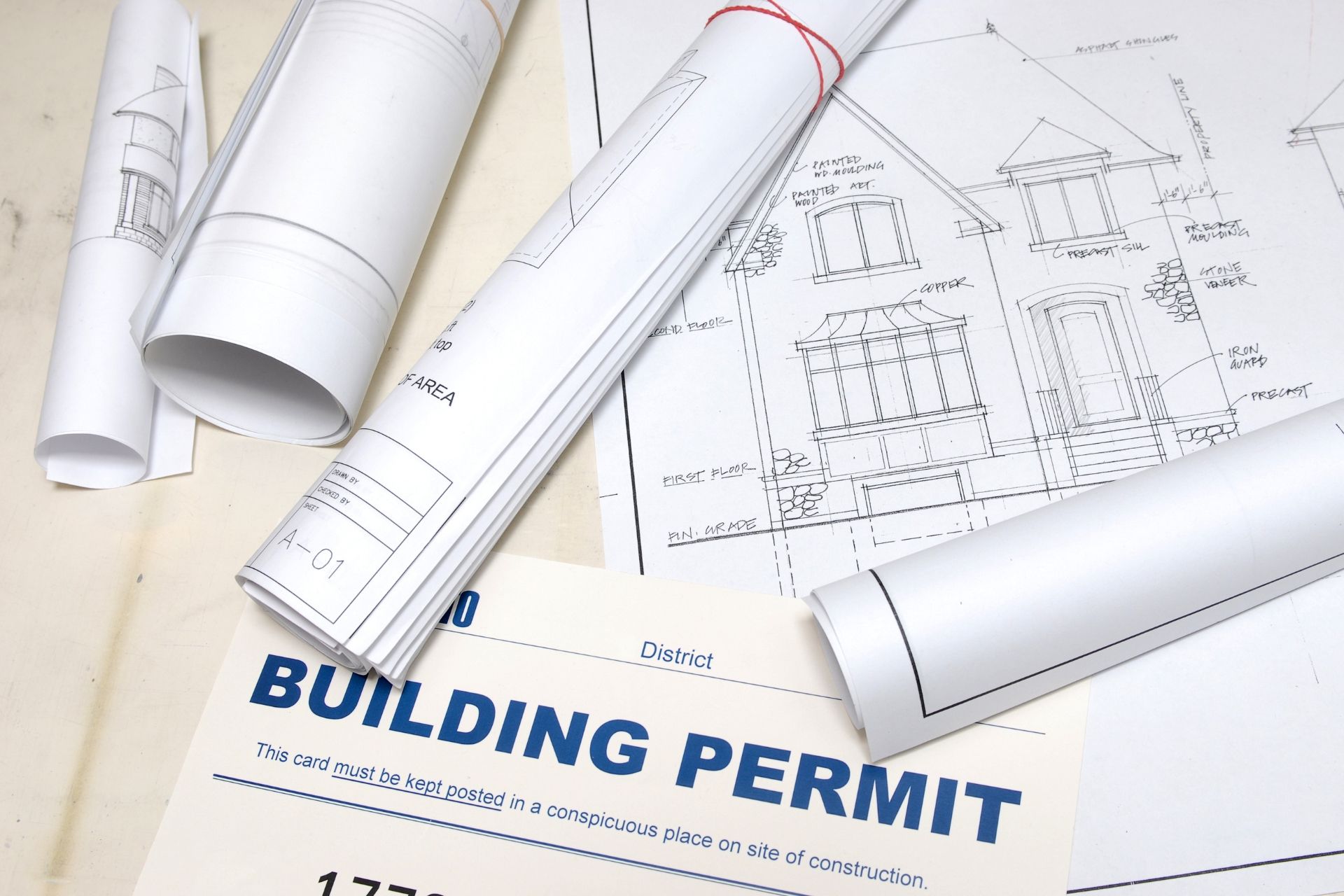
9. Obtain Permits
Make sure permits in Sonoma County are handled correctly based on the scope of work.
Permits are not just paperwork, they are part of resale protection and long term peace of mind.
10. Monitor Construction
Stay involved. Get regular updates. Ask questions. Inspect key phases like waterproofing and rough plumbing.
The earlier issues are caught, the easier and cheaper they are to fix.
Why Remodeling in Sonoma County Is Different Than National Advice
Most remodeling advice online is generic. Sonoma County isn’t.
Homes here span a wide range:
- Older mid-century ranch homes in Santa Rosa
- Historic cottages in Petaluma
- Wine country properties near Healdsburg
- Newer suburban neighborhoods in Windsor and Rohnert Park
Each has different structural realities, moisture risks, permitting requirements, and buyer expectations. What works elsewhere doesn’t always translate here, especially since Sonoma County buyers are inspection aware and resale focused.
The best remodels in this region improve daily life and protect future value. When planning a kitchen remodel Santa Rosa or anywhere in Sonoma County, it matters that the project fits the way homes here are built, inspected, and valued.
Now that you understand why local context matters, let’s explore how kitchen and bathroom remodels impact remodeling ROI and resale value in Sonoma County.
Remodeling ROI in Sonoma County: Kitchen and Bathroom Remodeling Lead
If you’re remodeling with resale in mind, kitchens and bathrooms are still the main event. These rooms have the biggest impact on daily living and market value.
Why Kitchens and Bathrooms Matter for Remodeling ROI
Kitchen and bathroom remodels are closely tied to remodeling ROI and resale value because:
- Kitchens drive excitement and are often the centerpiece of the home.
- Bathrooms can cause hesitation if moisture risk or outdated features are present.
- Both spaces get scrutinized for layout, function, and build quality behind the walls.
What Buyers Look For
Buyers consistently judge homes based on:
- Kitchen layout and function
- Bathroom condition and moisture safety
- Overall build quality behind the walls
A kitchen can drive excitement. A bathroom can cause hesitation if moisture risk is present. That’s why these spaces deserve the most careful planning.
Start With the Right Remodeling Guide for Your Project
If you are remodeling with resale value in mind, the smartest place to begin is with the decisions that shape the space permanently, layout, moisture protection, ventilation, and long term durability.
That is why kitchens and bathrooms deserve the most careful planning in Sonoma County.
If you are remodeling a kitchen, start here:
If you are remodeling a bathroom, start here:
Understanding remodeling ROI is just the beginning. Next, let’s look at what realistic remodeling costs 2026 you can expect for your Sonoma County project.
Realistic Remodeling Costs in Sonoma County for 2026
Costs vary widely, but homeowners should understand realistic ranges before starting.
Typical Remodeling Examples
- Bathroom remodels often range from $25,000 to $60,000 depending on scope, waterproofing, and finish level.
- Mid-range kitchen remodels often range from $60,000 to $120,000 depending on cabinetry, layout changes, and appliances.
- Full gut renovations or structural remodels can exceed $150,000 to $300,000 or more.
Biggest Cost Drivers
The biggest cost drivers are not cosmetic upgrades. They are structural scope, system upgrades, and hidden conditions like dry rot and water damage.
A good contractor should provide transparent pricing and a clear scope, not vague allowances or surprise changes mid-build.
Cost is only part of the equation. What happens behind the walls can have the biggest impact on your remodeling budget and project success.
The Hidden Factor That Impacts Remodeling Budgets: What Happens Behind the Wall
The number one reason remodels expand in cost and timeline is simple: demolition reveals what was hidden.
This is especially true in older Sonoma County homes where bathrooms and kitchens were built before modern waterproofing standards.
Common Discoveries During Demolition
- Subfloor rot around tubs or toilets
- Leaking shower pans
- Improper waterproofing behind tile
- Dry rot in framing
- Ventilation failures that trapped moisture for years
This is why remodeling is not just construction. It’s investigation.
If you want to understand how dry rot impacts value and disclosure, start here:
If dry rot has already been found, these guides walk through what happens next:
A good remodeling team looks for these issues early because fixing them correctly protects the long-term success of your renovation.
Knowing what can go wrong behind the walls helps you avoid the most common and costly remodeling mistakes.
The Most Common Remodeling Mistakes Sonoma County Homeowners Regret
Most remodeling regrets are not about picking the wrong tile. They are about skipping the systems that prevent failure.
Top Homeowner Mistakes
The most common homeowner mistakes include:
- Treating tile as waterproofing
- Skipping ventilation upgrades
- Rebuilding too quickly before drying is complete
- Over-customizing layouts and finishes
- Failing to document repairs behind the walls
- Hiring based on price instead of process
For a full breakdown, read:
Avoiding mistakes starts with choosing the right remodeling contractor. Let’s look at what to consider when hiring for your remodel.
Choosing the Right Contractor Matters More Than Choosing Finishes
In Sonoma County, the remodeling contractor you choose determines whether your remodel is durable or risky.
What to Look for in a Remodeling Contractor
A qualified remodeling contractor should be able to explain:
- What waterproofing system will be used
- How ventilation will be upgraded
- How hidden damage will be handled
- What documentation will be provided
- How sequencing prevents moisture traps
Verifying Contractor Credentials
Homeowners should verify licensing through the California CSLB Check a License tool to confirm status and disciplinary history.
You can search using the
CSLB Check a License tool.
Insurance matters as well. Ask for certificates of general liability coverage and workers compensation dated within the last 12 months.
The right contractor protects your investment long after the remodel is complete.
Once you have the right team, understanding local permit requirements is the next step to a successful remodel.
Permits and Local Requirements in Sonoma County
Not every remodel requires permits, but many do, especially when work involves:
When Permits Are Required
- Plumbing relocation
- Electrical upgrades
- Structural framing changes
- Ventilation modifications
A responsible remodeling contractor will confirm requirements before rebuilding begins.
Where to Find Permit Information
For official local guidance, homeowners can reference Permit Sonoma:
Permit Sonoma
Cities like Santa Rosa and Petaluma may have separate permitting processes depending on jurisdiction.
Compliance is not just paperwork. It is resale protection.
With permits in place, let’s walk through what you can expect during the remodeling process from start to finish.
What to Expect During the Remodeling Process
Starting a home remodel in Santa Rosa or anywhere in Sonoma County is exciting but can feel overwhelming if you’ve never been through it before. A kitchen remodel or bathroom renovation is not just picking finishes. It’s a process, and the smoother that process is, the better the final result will be.
Planning Phase
- Initial Consultation: Discuss your goals, budget, and priorities.
- Design and Layout: Plan the layout, select materials, and ensure systems like waterproofing, ventilation, and plumbing are addressed.
- Permitting: Secure all necessary permits before construction begins.
Construction Phase
- Demolition: Remove old finishes and fixtures, and prepare for hidden issues.
- System Upgrades: Complete structural repairs, waterproofing, and ventilation improvements.
- Sequencing: Complete work in the right order to prevent future problems.
- Installation: Install cabinets, countertops, appliances, and finishes.
Project Management
- Regular Updates: Expect consistent communication and progress reports.
- Quality Checks: Inspect work at key milestones.
- Final Walkthrough: Review the completed project, confirm documentation, and handle final adjustments.
A well-run remodel includes progress updates, clear expectations, and accountability at every stage.
The goal is simple: a space that looks beautiful, works better every day, and holds up under inspection years from now, not just something that photographs well on day one.
Whether you’re remodeling for resale or long-term living, your approach should reflect your goals and timeline.
Remodeling for Resale vs Remodeling for Long-Term Living
Most homeowners fall somewhere in between.
Resale-Focused Remodeling
If you plan to sell within 5 to 10 years, broad buyer appeal matters more on permanent elements:
- Layout
- Waterproofing
- Cabinetry
- Flooring
- Ventilation
Long-Term Living Remodeling
If you plan to stay long term, personal customization becomes more reasonable, but systems still matter.
The best remodels feel personal without becoming polarizing.
To get the most out of this guide, use the following resources tailored to your specific project needs.
How to Use This Remodeling Guide as Your Starting Point
If you are planning a remodel in Sonoma County, start with the cluster that fits your project:
Kitchen Remodeling and Resale Value
Bathroom Remodeling and Moisture Safety
Dry Rot and Hidden Damage Process
These guides work together to help homeowners avoid costly mistakes and plan renovations with confidence.
With the right information and resources, you can approach your remodel with clarity and confidence.